
Causes and risk factors
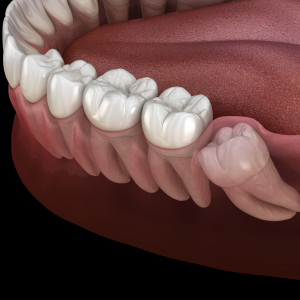
Dry socket follows tooth extraction especially a wisdom tooth. Normally a blood clot is formed at the site of extracted tooth. This clot provides a protective layer over underlying bone and nerve endings. It also provides base for formation of soft tissue over the clot. Dry socket occurs if the blood clot gets dissolved or dislodged before the wound has healed. This exposes underlying bone and nerves causing pain. Risk factors associated with dry socket are delayed wound healing, poor oral hygiene, smoking, unusual trauma during tooth extraction, history of dry socket, oral pills.
Clinical presentation
Patient presents with severe pain 2-3 days after tooth extraction, visible bone inside the socket, discomfort from extracted site, inflamed gum tissue from extracted site, dry socket causing sharp and sudden increase in pain, radiating pain to ears and face on the affected side, foul odour or test coming from the site, swollen lymph nodes, and fever.
Investigation
Medical history by the patient and Clinical examination by the dentist helps in diagnosis. Oral X ray helps in confirming the diagnosis.
Treatment
The pain site is gently flushed to clear the debris material. A medicated paste is applied directly into tooth’s socket. An anaesthetic dressing is placed and usually changed in every 24 to 48 hours. Because true dry socket pain is so intense, additional analgesics are sometimes prescribed.
Other Modes of treatment
The other modes of treatment can also be effective in treating a dry socket. Homoeopathy is a science which deals with individualization considers a person in a holistic way. This science can be helpful in combating the symptoms. Similarly the ayurvedic system of medicine which uses herbal medicines and synthetic derivates are also found to be effective in treating dry socket.