
Causes and risk factors
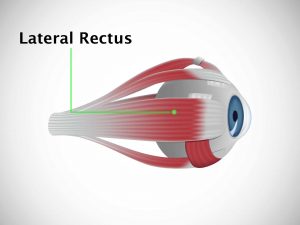
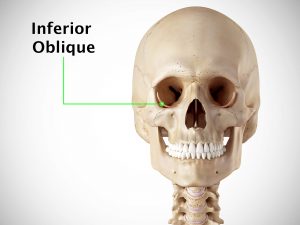
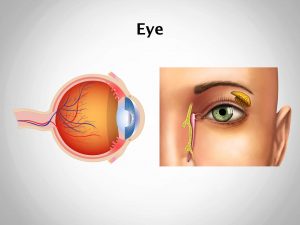
Duane syndrome is a congenital disorder, i.e., it is present since birth. It occurs as a result of improper development of the 6th cranial nerve, i.e., the abducens nerve. This nerve supplies the lateral rectus muscle of the eye. The lateral rectus muscle is attached to the temporal region of the eye. It’s function is to facilitate the inward and outward movement of the eye.
Clinical presentation
Duane syndrome may affect the lateral rectus muscle of one or both the eyes. The affected eye is unable to move outwards (abduction) or inwards (adduction). The affected eye may develop hampered vision (amblyopia). The patient develops strabismus (misalignment of eyes).
Investigations
Duane syndrome can be diagnosed on the basis of clinical examination of the eye.
Treatment
The treatment for Duane syndrome involves surgical intervention by adjusting the eye muscles.
When to contact a doctor
Contact a doctor as soon as you experience difficulty in moving your eye inwards or outwards.
Facts and figures
This syndrome has a higher propensity to affect males rather than females.
About 20% of patients with Duane syndrome have bilateral eye affection.
Systems involved
Ophthalmic, nervous.
Organs involved
Eye, nerves