Causes and risk factors
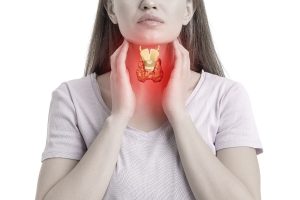
Edema occurs as a result of response to any injury, infection or inflammation. Edema is caused when the small blood vessels or lymphatics leak the fluid into nearby tissues. The extra fluid collects in the tissues causing swelling. Causes of edema include conditions like congestive cardiac failure, left ventricular failure, pericarditis, Chronic kidney disease, acute glomerulonephritis, Nephrotic syndrome, Thyroid disease, Angioneurotic edema,Epidemic dropsy, Liver cirrhosis, portal hypertension, filariasis, Cellulitis, gout . Burns, including sunburn, poor nutrition, pregnancy, too much salt or sodium, side effects of medications lead to edema.
Clinical presentation
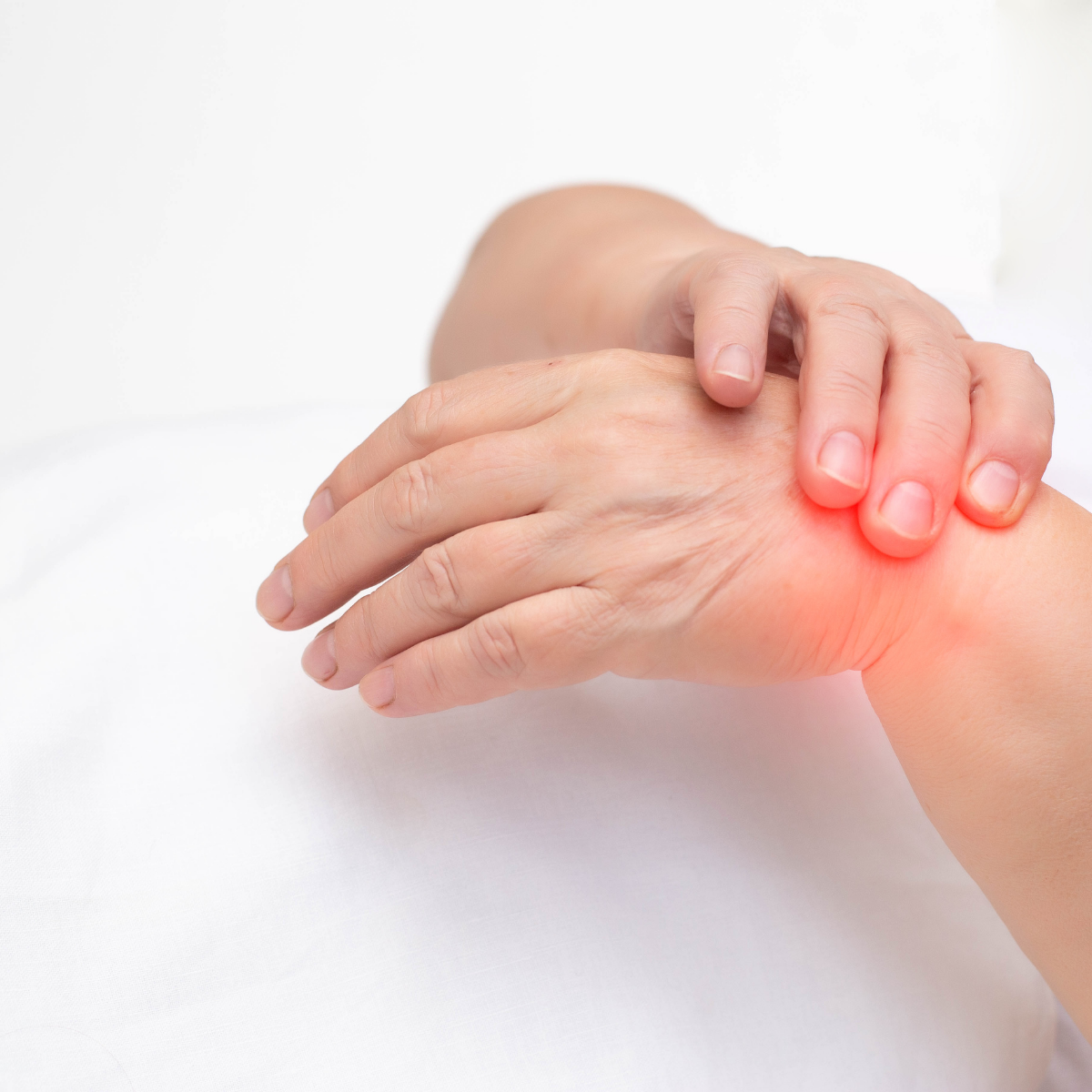
Swelling or puffiness under the skin is characteristic of edema. Shiny or stretched skin, weight gain, increased abdominal girth are observed. Aching, tenderness of limbs, stiffness of joints, raised blood pressure and pulse rate is observed. Edema is commonly seen on feet, hands, under the eyes, face or it can involve whole body, called as generalized edema or dropsy. It is of two types pitting and non-pitting. Pitting edema means when you press the area with finger it leaves dent which will slowly fill back in when the pressure is removed. Pitting on pressure occurs when the circumference of limb is increased by 10%. Non-pitting edema does not leave this type of dent when pressing on the swollen area. It also classified as peripheral and central. Peripheral that is seen in feet and ankles. Other type includes cerebral which affects the brain, pulmonary edema affecting lungs and macular edema affecting eyes.
Investigation
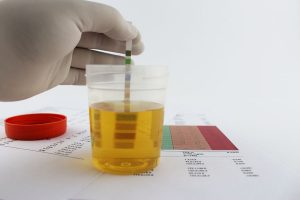
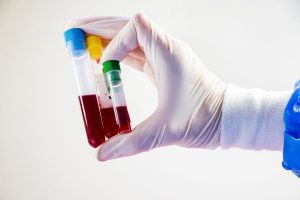
Medical history by the patient and Clinical examination by the doctor helps in diagnosis. To know the cause of edema doctor will perform physical examination and order certain test like routine blood test, urine analysis. ECG is advised. Imaging studies such as X-ray, Ultrasound examination may be useful for further evaluation, Kidney function test, Liver function test are recommended.
Treatment
Treatment depends upon the underlying cause. Treating the cause will reduce edema. Acute edema in most cases goes on its own. For chronic cases along with the treatment for underlying cause your doctor will prescribe diuretic medication to expel excess water from the body in form of urine.Following things can be done along with the medication sleeping and sitting with leg elevation, use of support stockings, restricting salt intake
Other Modes of treatment
The other modes of treatment can also be effective in treating edema. Homoeopathy is a science which deals with individualization considers a person in a holistic way. This science can be helpful in combating the symptoms. Similarly the ayurvedic system of medicine which uses herbal medicines and synthetic derivates are also found to be effective in treating edema.