Causes and risk factors
The signs and symptoms are caused due to apposition of lax upper eyelid to the globe of the eye. People who sleep on one side more than the other side, mechanical injuries are considered to cause FES. Patient with a history of loud snoring, those diagnosed with obstructive sleep apnoea [OSA], and obese people are at high risk of developing FES. The condition is also associated with keratoconus which is responsible for mechanical irritation caused by rubbing of eye. Other contributing factors include chronic conjunctivitis, meibomian gland dysfunction, and atrophy.
Clinical presentation
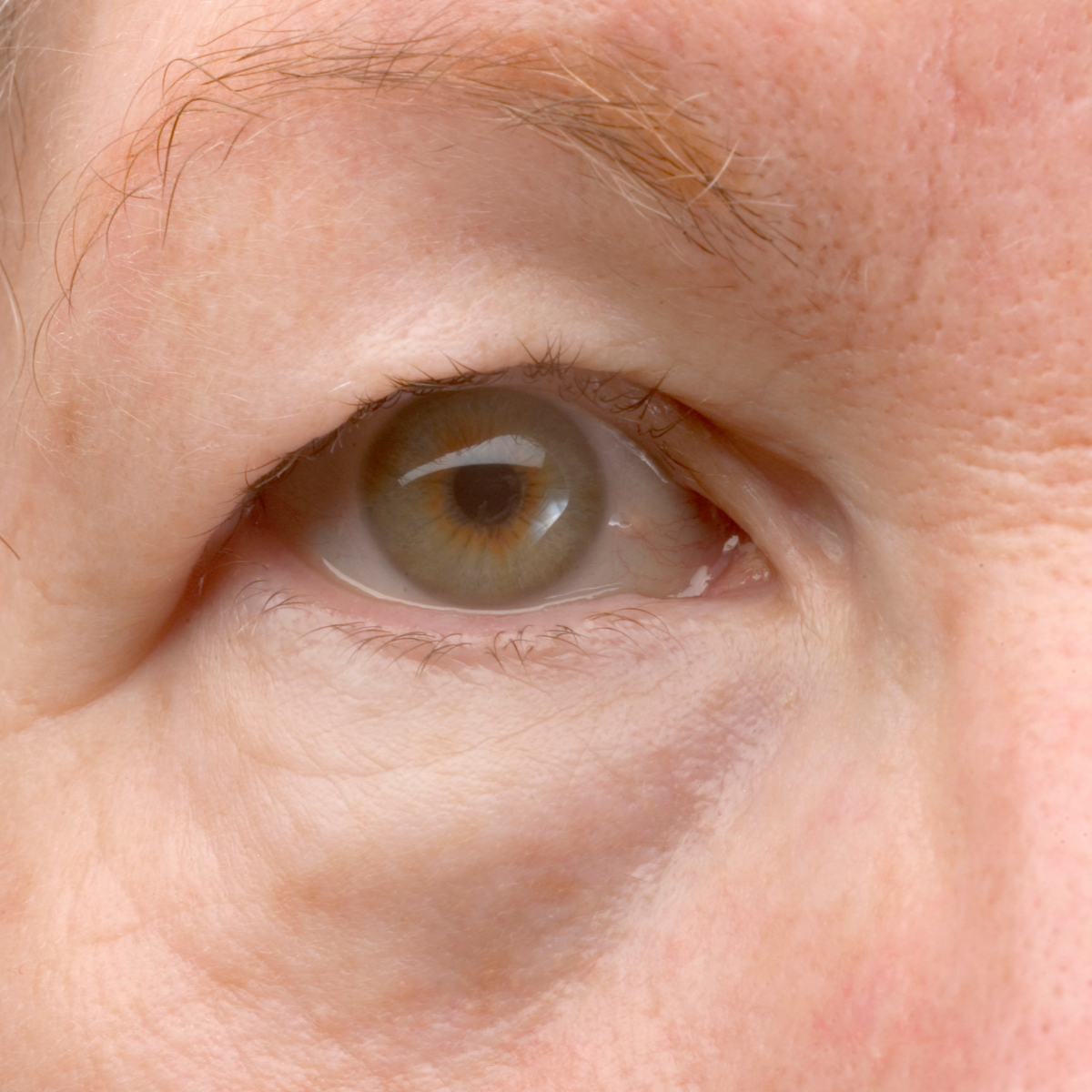
Red, inflamed and irritable eye, worse on waking up in the morning is the main sign of FES. Redness and irritability is caused by constant rubbing of palpebral conjunctiva with pillow. There is a mild mucous discharge from the eye. Patient has a history of loud snoring and OSA disorder. Upper eyelid can be easily everted without any device. The superior tarsal plate is soft and rubbery in consistency. Superficial punctuate keratitis is present.
Investigation
Medical history by the patient and clinical examination by the ophthalmologist helps in diagnosis. Ophthalmoscopy is advised.
Treatment
Treatment involves use of antibiotic eye drops. Artificial tears help in treating the condition. Symptomatic treatment is given with help of antibiotic ointment at bedtime, taping of eyelids during bedtime, and wearing of eye shield to prevent rubbing against the pillow or bed sheet. Patient is advised to avoid sleeping with face down. Surgical procedure may also help in managing the condition which involves tightening of eyelid.