Causes and risk factors
The exact cause is not known. However, it has been put forth that there occurs uncontrolled and abnormal proliferation of the lymphocytes. These abnormal lymphocytes then travel to different parts of the body and form an abnormal mass or tumor. Lymphocytes are of two types – B and T. Follicular lymphoma is cancer of B cells. Weakened immune system can be one of the causes. The proliferation of the cells is also triggered by infection like HIV, infection by human herpes virus, or post organ transplanatation. Helicobacter pylori bacterial infection can also lead to gastric lymphoma.
Clinical presentation:
Enlargement of the lymph nodes especially of the armpits, groin, or neck region; sweating, fever, and itching are the characteristic symptoms seen. The enlargement of lymph nodes is painless. Along with this, symptoms pertaining to various other systems of the body are seen. Weight loss and loss of appetite is complained by the patient. Coughing, difficulty in breathing, pain in abdomen, nausea, vomiting, and constipation are the other associated symptoms.
Investigations:
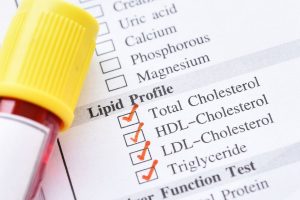
Diagnosis is done on the basis of the symptoms narrated by the patient and the physical examination carried out by the doctor. Biopsy of the lymph nodes (excision or FNAC) is most diagnostic. Routine blood test and a profile of specialized blood tests like bone marrow test, immunoglobulin determination test, and measurement of the uric acid along with phenotyping of surface antigens can be done. Other investigations recommended are x-ray, MRI, or CT scans of the chest, abdomen, and pelvis.
Treatment:
In case where the patient is asymptomatic, no treatment or watchful wait is required. Patients who suffer from marked systemic complaints need to be treated immediately. Chemotherapy is the main therapy recommended. Monoclonal antibodies are administered. Radiotherapy must be adopted. Blood and platelet transfusion is done in cases where the blood count is low. Stem cell transplantation is beneficial for the patient.
Other Modes of treatment:
Certain other modes of treatment can also be helpful in coping up with the symptoms. Taking into consideration the symptoms in a holistic way, homoeopathy can offer a good aid for the relief of the symptoms.
Recent updates:
As per the study published in the Journal of Experimental Medicines, high-risk group of patients with follicular lymphoma could benefit from a novel drug combination.