Causes and risk factors
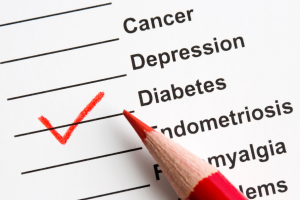
Gangrenous cholecystitis occurs as a complication of acute cholecystitis. The inflammation of the gallbladder hampers its blood supply. The following factors raise the risk of developing gangrenous cholecystitis – male gender, age above 45 years, patient having diabetes mellitus or history of heart disease.
Clinical presentation
The common symptom is abdominal pain. The pain is located on the middle or right side of the upper abdomen. The pain may be sharp or dull. It spreads to the right shoulder or back. It’s an intermittent pain. Pain occurs after a meal. The pain is worse during deep breath. There is tachycardia. Other symptoms that may occur include clay-colored stools, fever, nausea, vomiting, jaundice, tenderness in the right abdomen, or abdominal bloating. Murphy’s sign [classical sign of cholecystitis] may be absent in most of the patients due to denervation of gallbladder as a result of necrosis of the bladder wall.
Investigation
Medical history by the patient and clinical examination by the doctor helps in diagnosis. Complete blood count will reveal leukocytosis. Abdominal ultrasound is done. CT abdomen is advised.
Treatment
Emergency cholecystectomy is the treatment of choice. Diet modifications are required. Postoperative antibiotics and medications to prevent infection are needed.