Causes and risk factors
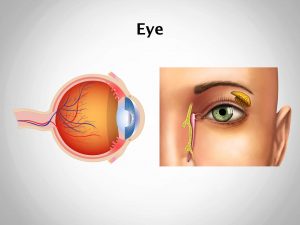
The retina is composed of rods and cones. The rods are highly sensitive to changes in light, whereas the cones are highly sensitive to color. Cones become activated during very bright light. Dysfunction of the cones results in hampered visual ability during the day.
Several eye disorders can produce hemeralopia. These include achromatopsia, aniridia (absence of iris), Cohen syndrome, cone dystrophy, cataracts, and abnormal pupillary response to light. Head injuries and side effects of certain drugs can also produce hemeralopia.
Clinical presentation
This condition is characterized by the deterioration of daytime vision, whereas the vision at night remains unhampered. The patient has a dislike towards light (photoaversion). However, there is no photophobia.
Investigations
A complete ophthalmic examination is carried out to rule out any underlying eye disorders.
Treatment
Treatment for hemeralopia consists of identifying and treating the underlying cause. The patient is advised to wear sunglasses when outdoors during the day.
When to contact a doctor
Contact a doctor if you experience discomfort in vision during the daytime.
Systems involved
Ophthalmology.
Organs involved
Eyes