Causative & risk factors
Hiatal hernia occurs as a result of weakening of the diaphragm muscle. This can happen due to obesity, advancing age or smoking. Persistent coughing, vomiting or any activity that causes strain on the abdomen can also lead to hiatal hernia. It can sometimes be present since birth, known as congenital hiatal hernia.
Clinical presentation
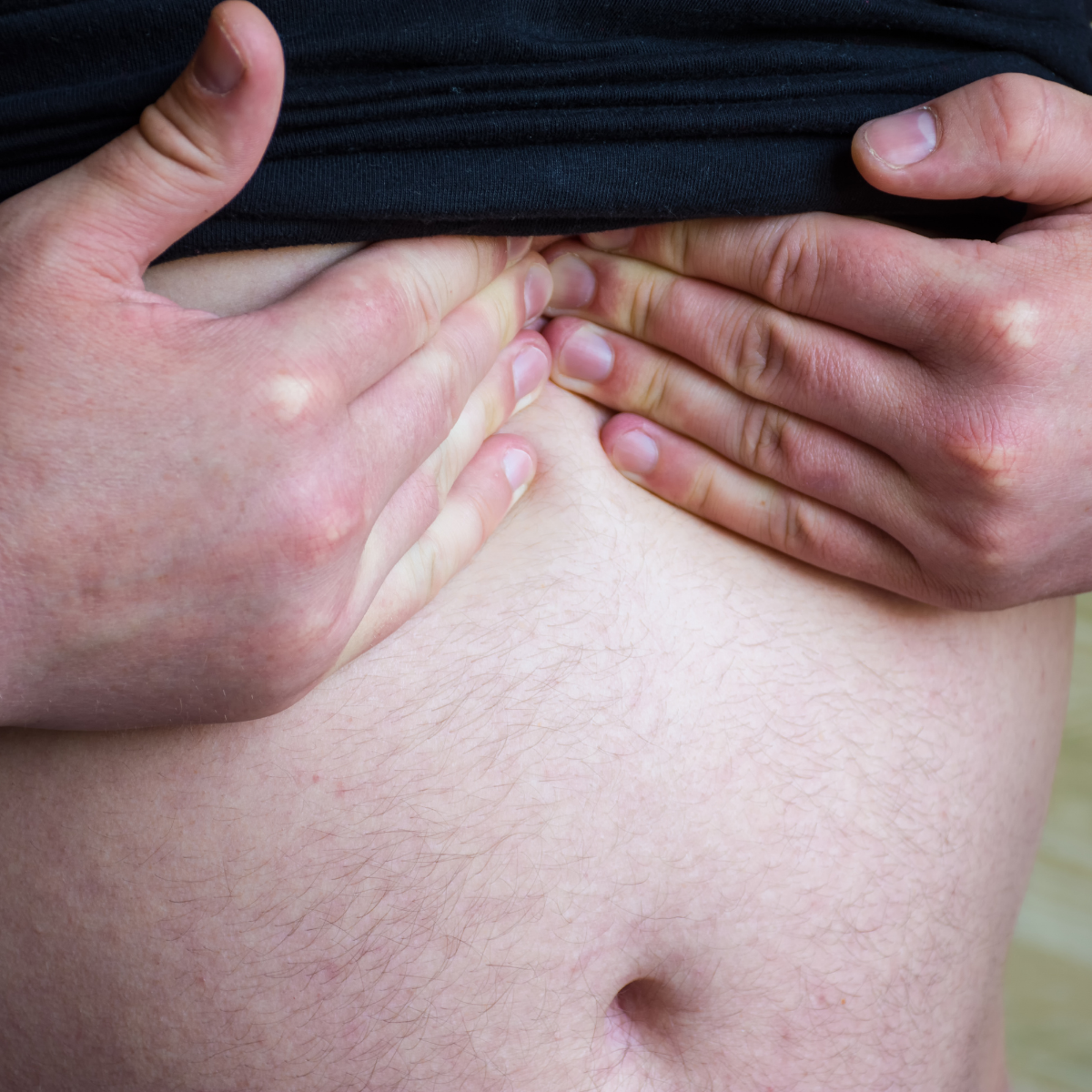
A small hiatal hernia usually does not cause any symptoms. A large hiatal hernia leads to reflux of the stomach contents into the esophagus and hence produces heartburn or gastro-esophageal reflux disease (GERD). The patient may experience pain or discomfort in the chest, belching and swallowing may become difficult.
Untreated hernia may become strangulated or give rise to pulmonary aspiration.
Investigations
A barium swallow is performed and X-rays are taken to visualize the outline of the stomach.
Endoscopic study of the esophagus and stomach is performed.
Treatment
Lifestyle modifications help to relieve discomfort caused due to hiatal hernia. The patient must give up smoking and lose any excess weight. Heavy meals and lying down immediately after eating are to be avoided. The patient is advised to raise the head of the bed by a few inches in order to lessen the reflux of acid into the esophagus.
Medications are given to reduce the production of acids into the stomach. They include antacids, H2 receptor blockers and proton pump inhibitors.
A small number of patients may need surgery to repair the hiatal hernia. Surgery may involve reconstruction of the sphincter of the esophagus or reducing the opening of the diaphragm or even removal of the hernia sac.