Causes and risk factors
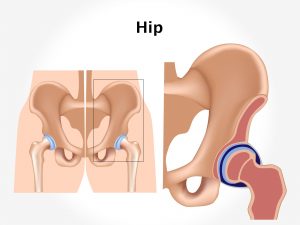
Trauma is one of the major contributing factors for dislocation of the hip. Road accidents or vehicle collision contribute to the injury. Fall from height is another contributing factor. It is also commonly seen in sports where the player strikes the ground while the hip is flexed and adducted. People engaged in sports like football and gymnastics are more prone to such injuries. Hip dislocation is particularly common in snowboarders. A poorly maintained play field can predispose to such injuries. Weak bones and poor strength of muscles makes an individual prone to easy dislocations.
Clinical presentation:
Dislocation of the hip joint is classified into two types. Simple one where there is dislocation of hip, but no fracture is seen, and complex one which is characterized by dislocation along with fracture of acetabulum and femur. Pain in the hip region is the predominant feature seen. Along with this, complete restriction of movement occurs. It can be noticed that the patient is unable to walk. Difficulty in movement or complete immobility often marked with tenderness and swelling is seen. Pain in hip can radiate to the lower leg and back. The patient may also complain of numbness and tingling in the legs in cases of neurovascular damage. Hip dislocations may lead to complications like a nerve injury, arthritis, osteonecrosis, etc.
Investigations:
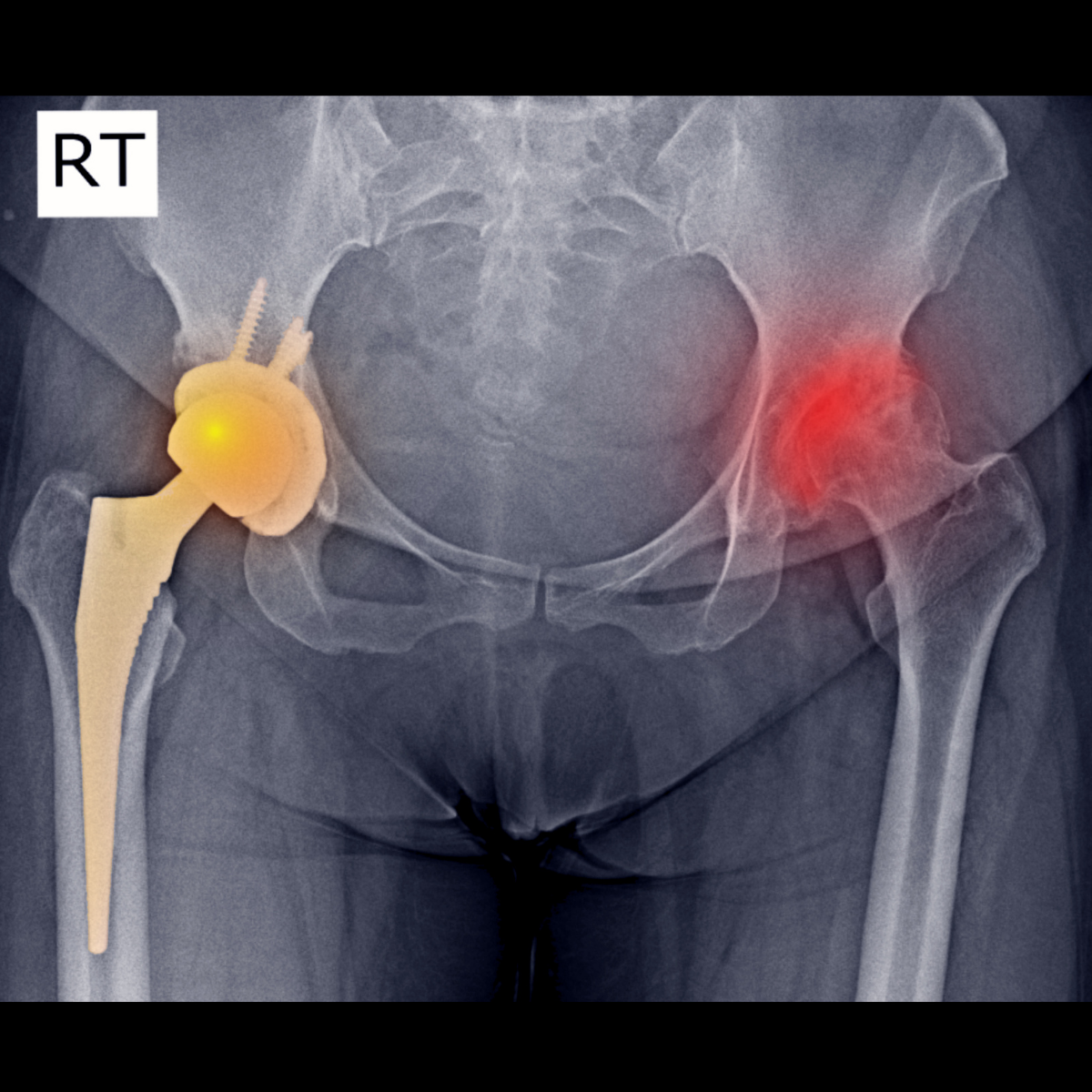
Diagnosis is done on the basis of the symptoms narrated by the patient and the physical examination carried out by the orthopedic doctor. X- ray of the hip joint is the diagnostic investigation. MRI or CT scan can be done to know the extent of injury and involvement of the surrounding structures.
Treatment:
Rest, application of ice packs, compression, and elevation are the immediate important measures to be implemented. Pain relieving medicines are advised to allay the pain. Surgical intervention is a must for this dislocation. Open or closed reduction method can be adopted. A foot plaster for immobilization is applied. Gradual rehabilitation by physiotherapy is further advised which will help to improve the range and mobility of the joint and strengthen the muscles. Certain yoga exercises can also be helpful in relieving the pain and strengthening the muscles after recovery of the dislocation. Use of walking aids like walkers, crutches help in allaying the pain.
Other modes of treatment:
Certain other modes of treatment can also be helpful in coping up with the disease. Taking into consideration the symptoms in a holistic way, homoeopathy can offer a good aid for the relief of the symptoms. The Ayurvedic system of medicine which uses herbs and synthetic derivates can also be beneficial in combating the complaints.