
Causative and risk factors
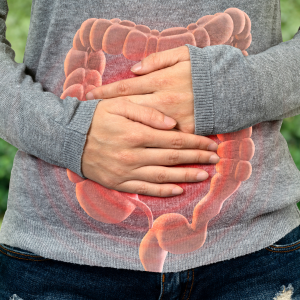
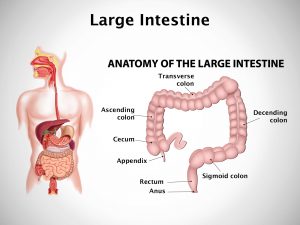
Hirschsprung’s disease is a congenital disorder, it is present since birth. It occurs as a result of failure of the ganglion cells to develop in the specific portions of the bowel. Ganglion cells are special nerve cells innervating the colon, which help in peristalsis.
Hirschsprung’s disease can be inherited. Boys are more likely to develop this disorder.
Clinical presentation
All babies pass a characteristic black stool known as meconium within the first 2 days after birth. Failure to do so is the first sign of Hirschsprung’s disease. Due to constipation, the baby has a distended abdomen. They may start vomiting bile.
Sometimes the diagnosis of Hirschsprung’s disease is missed at birth. In such cases, the young child complains of abdominal pain, chronic constipation and a failure to gain weight.
Investigations
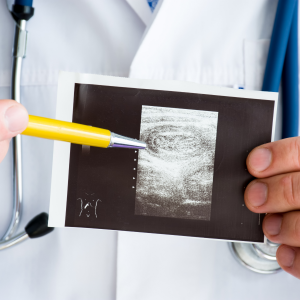
The diagnosis of Hirschsprung’s disease can be suspected on the basis of an X-ray of the bowel. Biopsy of the rectum or the affected segment helps to confirm the diagnosis.
Treatment
Surgery is the only mode of treatment. Surgery involves the excision of the affected portion of the bowel and reattachment of the healthy portion of the bowel to the anus.
If surgery is delayed due to some reason, bowel washings are carried out in order to evacuate the blocked stools.