Causes and risk factors:
Huntington’s disease is an inherited disease. It is caused due to genetic defect. If either of the parent have this diseases there are 50% chances that the individual will develop the same.
Clinical presentations:
Huntington’s diseases initially presents with involuntary movements. Difficulty in swallowing and balancing occurs. Inability to work, drive and dependency for performing daily activity. Abnormal eye movements and rigidity of muscles is seen. The person finds difficulty in understanding and organizing information occurs. Person faces various behavioral problems like irritability, aggression, depression, and apathy. This all can lead to Social withdrawal, suicidal thoughts thus hampering the personal and professional life. Muscle atrophy, weight loss, cardiac failure, impaired glucose tolerance etc are the associated disorders.
Diagnosis and investigations:
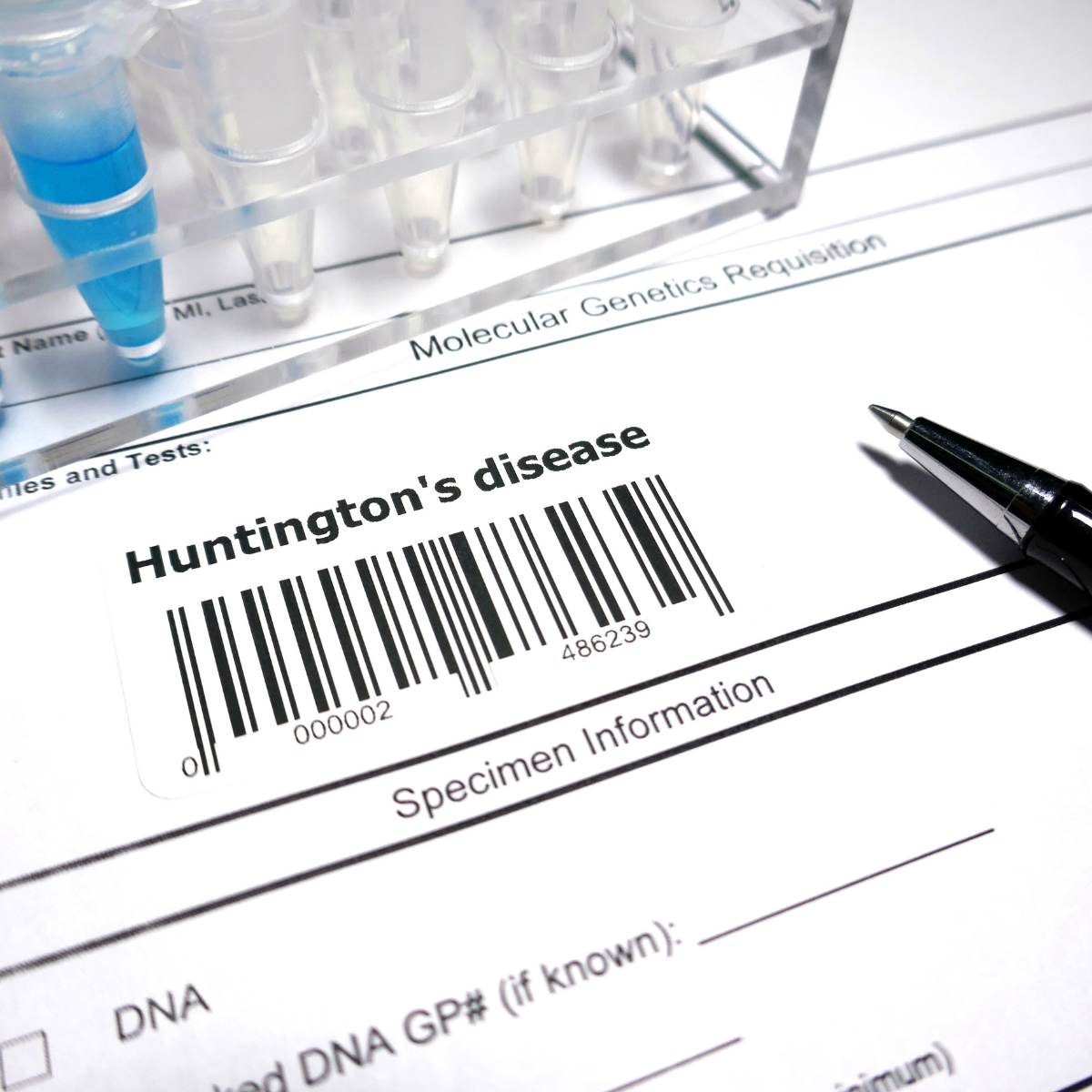
Symptoms narrated by the patient along with neurological examination carried out by the doctor will help in confirming the diagnosis. Genetic test and MRI or Ct scan of the brain are the diagnostic investigations.
Treatment:
There is no cure for Huntington’s Diseases but symptomatic relief can only be obtained. Various medications as per the symptoms of the patient are advised. Anti depressants, anti psychotic and medications for suppressing involuntary movements are prescribed.Councelling, speech therapy and physical therapy to enhance and strengthen the muscles needs to be implemented.
Other modes of treatment:
The other modes of treatment can also be effective in treating the diseases. Homoeopathy is a science which deals with individualization and considers a person in a holistic way. This science can be helpful in combating the symptoms. The Ayurvedic system of medicine which uses herbs and synthetic derivates can also be beneficial in combating the complaints.
Recent update:
An article published in the Proceedings of the National Academy of Sciences published that the At McMaster University, researchers have developed a way to measure the shape of the Huntington protein, inside of cell, while still alive. The research also showed that the shape of disease Huntington protein can be changed back to normal with chemicals that are in development as drugs for HD.