Causes and risk factors
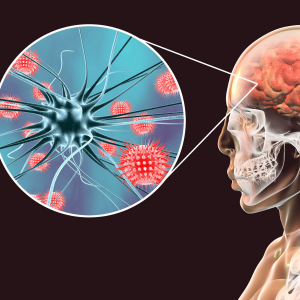
Infantile tremor syndrome is said to be a disorder in the extrapyramidal system. The exact etiology is still not known. Although various predisposing factors have also been laid down, none have been proven completely responsible for causing the syndrome. Malnutrition and a variety of nutritional deficiencies like vitamin B12 deficiency and magnesium deficiency are some of the contributing factors. Viral encephalitis and harmful toxins of infections along with enzyme defects are said to be some of the factors responsible. Pigmenetary disturbances occur due to a defect in the enzyme which causes interference in the melanin production. This condition seems to be more prevailing in low socioeconomic class.
Clinical presentation:
The onset is either acute or chronic. The complaints are divided into three phases. In initial prodromal phase, an infant suffering from this condition suffers from lack of recognition of mother; they have poor response to bright light. The child becomes apathetic and indifferent. They lack interest in surroundings and are lethargic. Hyperpigmentation patches are seen on various parts of the body, particularly on the dorsum of the lower extremities or ankle or knee. The hair becomes thin and lackluster. They become light colored and sparse. Pallor is seen on examination. Such infants are more prone to upper respiratory tract infection and recurrent fever. Edema and diarrhea are also seen. In the next phase, onset of tremors occurs. Trembling of the limb along with tossing of the trunk and head is seen. Tremors are fast and occur at a rate of 6-12 cycles per second. They are aggravated during crying, feeding, or playing and are better by sleep. These complaints last for 2-5 weeks. The next phase is the post-tremor phase where the child becomes more alert and psychomotor function improves. However, in the long term the intelligence is affected and slows down. Regression of milestones is seen.
Investigations:
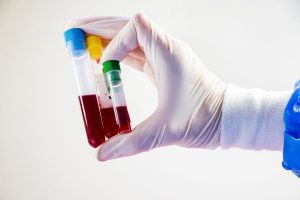
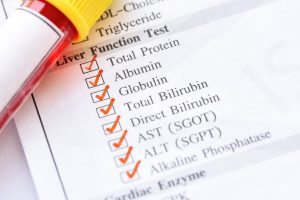
Diagnosis is done on the basis of the symptoms narrated by the parents and the physical examination carried out by the doctor. Investigations are, however, not helpful in completely confirming the diagnosis. For assessing the health status, various investigations are advised. It comprises of routine and specialized blood test, CSF examination, bone marrow test, and biopsy of various tissues. ECG and CT scan can also be done. Certain other investigations can also be advised by the doctor.
Treatment:
Infantile tremor syndrome is a self-limiting disorder. Treatment aims at symptomatic relief. Medications for relief of tremors along with a variety of nutritional supplements are started. The infant is referred to a dermatologist and appropriate treatment is started for skin complaints. Changes in the diet are a must.
Other Modes of treatment:
Certain other modes of treatment can also be helpful in coping up with the symptoms. Taking into consideration the symptoms in a holistic way, homoeopathy can offer a good aid for the relief of the symptoms. The Ayurvedic system of medicine which uses herbs and synthetic derivates can also be beneficial in combating the complaints. Certain yoga exercises can also be helpful in strengthening the muscles.