Causes and risk factors
The most common cause of bursitis is a repetitive or constant motion which causes pressure on the bursae. Hence it is more commonly seen in athletes, carpenters, and gardeners and in obese people. Trauma is another common cause of bursitis. Certain diseases like rheumatoid arthritis, gout, systemic lupus erythematosus, HIV and diabetes can also cause knee bursitis. Bursitis can also occur due to infection and some unknown causes.
Clinical presentation:
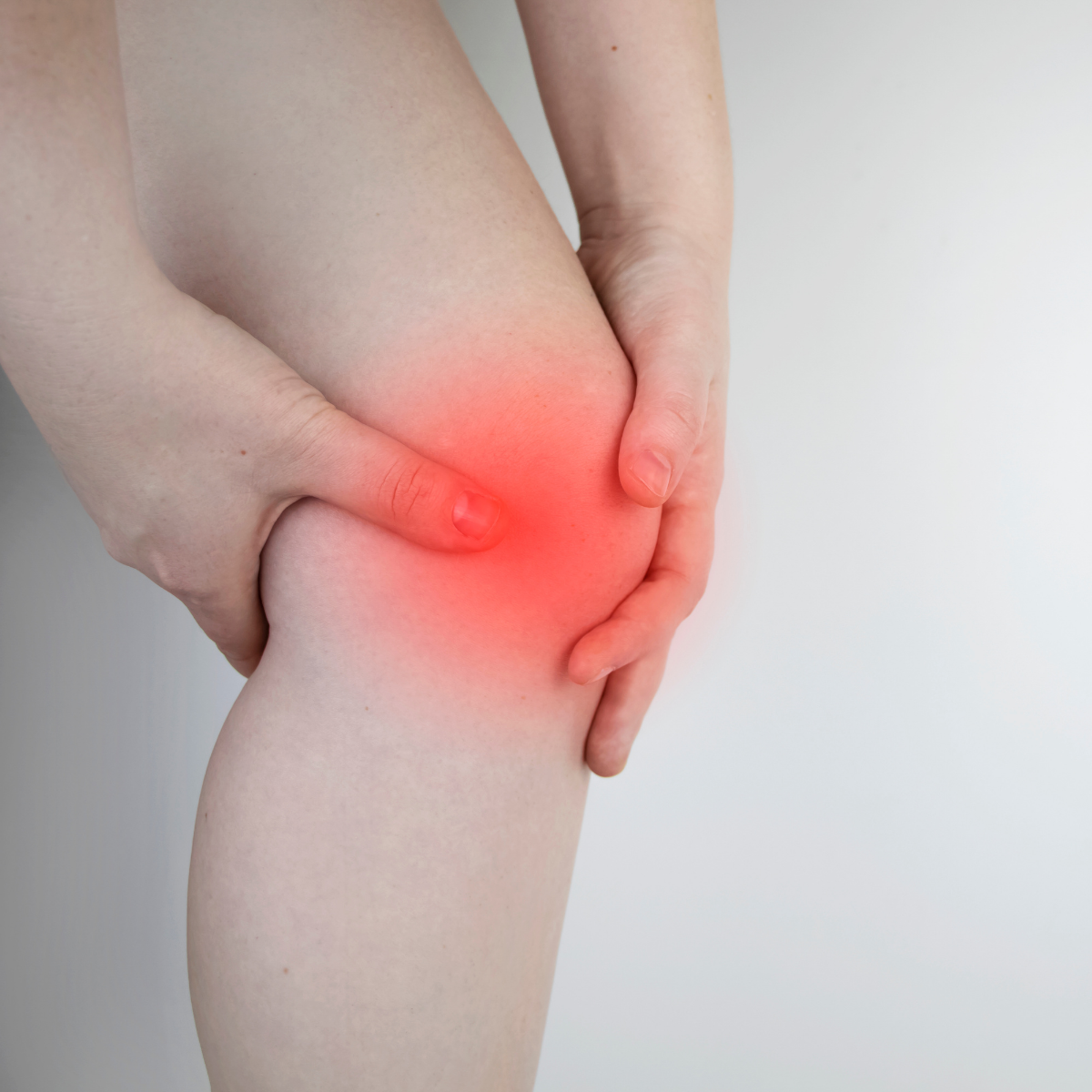
Symptoms develop gradually and vary as per the location of the bursa. Pain in joint, swelling and stiffness are the prominent features. Pain may vary from person to person. It can be mild or severe. Sharp shooting pain can be experienced by the patient. Difficulty in movement like walking, standing, sitting is experienced by the patient. Swelling, rash and redness on the affected joint occur. The affected knee is warm to touch. Muscle weakness, malaise and tenderness are also present.
Investigations:
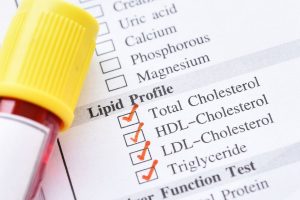
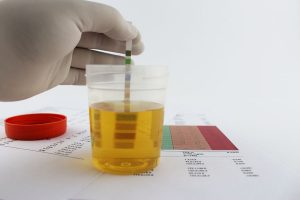
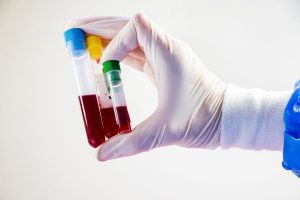
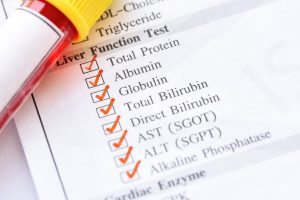
Diagnosis is done of the basis of the symptoms narrated by the patient and the physical examination carried out by the doctor. Fluid analysis of the bursae is the diagnostic investigations. Certain investigations which can be done are X-ray, MRI or CT scan of the affected knee joint. Routine blood test and a profile of specialized blood test are done to rule out other causes.
Treatment:
Wearing of braces and supports to hold the joint in alignment during movement, cold and hot compressions along with medications are advised. Non steroidal anti inflammatory drugs (NSAID), steroids, DMARDS (Diseases modifying anti rheumatic drugs) and pain relieving drugs and topical ointment are prescribed. In severe cases corticosteroid injection and surgical draining is required. Change in lifestyles is necessary to stabilize the mobility of the joint. Weight reduction in obese, adequate rest, correction of wrong postures and regular exercises needs to be adopted.Physiothereaphy and muscle strengthening exercises are also very effective.
Other Modes of treatment:
Certain other modes of treatment can also be helpful in coping up the symptom. Taking into consideration the symptoms in holistic way, homoeopathy can offer a good aid for the relief of the symptoms. The Ayurvedic system of medicine which uses herbs and synthetic derivates can also be beneficial in combating the complaints. Acupuncture which is the science of insertion of fine needles on the certain stimulating spots on the body has proved to be effective. Certain yoga exercises can also be helpful in relieving the pain and strengthening the muscles.