
Causes and risk factors
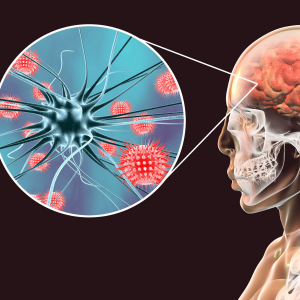
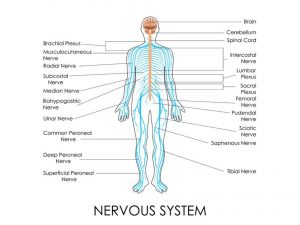
Pachygyria is caused by an abnormal migration of neurons in the developing brain and nervous system. Risk factors for development of this condition include intrauterine infection during pregnancy, brain ischemia [insufficient blood flow] during fetal development. This condition can also be inherited.
Clinical presentation
It causes various neurological signs and symptoms, cognitive impairment, and developmental disorders. Patient presents with feeding difficulties. There is failure to thrive. There is reduced muscle tone. Patient has developmental delay. Delayed milestones are seen. Intellectual disability is seen. Swelling in the extremities is observed. Unusual facial appearance can be present. There can be dyslexia. Mental retardation can be present. The patient may suffer from seizures.
Investigations
Medical history by the patient and clinical examination by the doctor helps in diagnosis. CT scan of the brain, MRI scan of the brain is done.
Treatment
The treatment for this condition is usually symptomatic and supportive. Anti-seizure medications are helpful. Nutritional support may be required. Gastrostomy will be considered if there is a problem with feeding. Team approach by a pediatrician, neurologist, and a physiotherapist is needed. Speech therapy, occupational therapy will contribute further to the treatment.
Complications
Complications such as seizures, intellectual disabilities can occur.
When to Contact a Doctor
One must consult a doctor if there is poor feeding in the child with slow development.
Prevention
Taking all necessary vaccinations and getting access to good antenatal care helps to prevent infections during pregnancy.
Systems involved
CNS
Organs involved
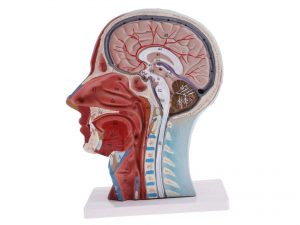
Brain