Causes and risk factors
Causes of paraesthesia include temporary restriction of the blood supply to affected parts, problems with functioning of neurons, irritation of the nerve, and inflammation of the tissue. Risk factors like diabetes, stroke, brain tumor, pernicious anemia, nerve entrapment, and bone fractures contribute to the condition.
Clinical presentation
Patient complains of sensation of pins and needles pricking on the skin. There is abnormal sensation, tingling in skin. Sensation of tickling and numbness is experienced. Patient complains of burning sensation.
Investigations
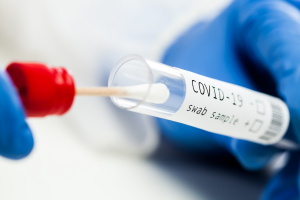
Medical history by the patient and clinical examination by the doctor helps in diagnosis. Neurological examination is required. Nerve conduction test and electromyography [EMG] are advised. Imaging studies such as CT scan, MRI may be useful for further evaluation.
Treatment
Treatment depends on the affected part. Topical ointments are helpful. Assuring proper blood flow to affected area is necessary.
Complications
Complications such as chronic paraesthesia may occur.
When to Contact a Doctor
One must consult a doctor if one experiences abnormal sensation without any physical impact.
Systems involved
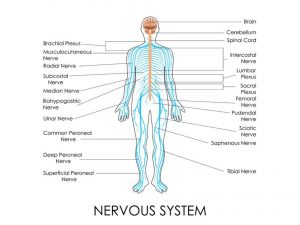
Central nervous system, integumentary system
Organs involved
Brain, skin