Causes and risk factors
The cells undergo an abnormal and uncontrolled proliferation. Eventually these cluster of cells lead to formation of a tumor or mass. What causes this abnormal growth is still a mystery. However, tedious research and study of various cases have laid down certain risk factors, which can predispose a person to cancer. Genetic factors head the list. Many cancers are caused due to certain abnormality or mutation in the genes which stimulate the cells to undergo an abnormal proliferation. Chronic infection particularly caused due to human papilloma virus is a major contributing factor. Removal of the foreskin of the penis is termed as circumcision. It is usually done in infancy. People who have not undergone this procedure are at high risk for developing cancer. Phimosis and smegma are other common conditions which contribute to the same. People with weak immune system and those suffering from HIV disease have greater chances for developing penile cancer. Tobacco addiction and cigarette smoking, alcohol consumption, and exposure to ultraviolet radiation in excess are the worst predisposing factors. Obesity and type 2 diabetes equally add to it.
Clinical presentation:
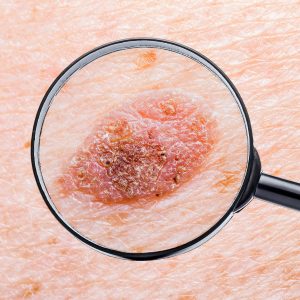
Indolent growths of the abnormal cell in its initial stage do not pose any noticeable sign and symptom in the body; hence the patient remains asymptomatic for long. Over a period of time, the patient can come up with other health issues. On most of the occasions, the patient usually comes up with vague symptoms like body ache, fatigue, and tenderness all over the body. A noticeable change in weight is complained by the patient or is brought into notice by the known ones. In the early stages of formation of a tumor, no signs and symptoms are evident. As the tumor increases in size, following symptoms can be seen. Changes in the skin color are the foremost warning signs. Overlying skin becomes thick. Along with this formation of rash, reddened area in form of papules or pustules or warty growths are seen. Lesions fail to heal which raises the suspicion. It is typically reddish brown. Eventually, swelling of penis occurs and ulcer formation is seen. In later stages, the ulcers can ooze blood and thick, sticky discharge may occur. This can hamper the sexual life too. Spread of cancer can involve the surrounding structures also. The infection can spread to lymph nodes of the groin region. Metastasis can lead to various other symptoms pertaining to that system or organ.
Investigations:
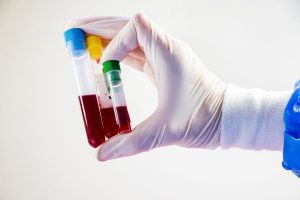
Taking into consideration the complaints mentioned by the patient, a physical examination of the patient is carried out. Accordingly, certain sets of investigations are advised. Ultrasonography of the abdomen and pelvis, CT or MRI scan of abdomen and pelvis are done. If any abnormal growth or mass is detected, a biopsy is done which will help to differentiate between the benign and neoplastic cells. If the cancerous growth is confirmed, certain other set of investigations like routine blood test, blood markers for cancer is diagnostic. A complete scan (PET scan) is the most essential investigative tool mandatorily advised in all cancerous conditions.
Treatment:
Staging of cancer, (i.e., advancement and spread of pathology) is the essential tool for formulating the treatment plan. If any abnormal mass is detected, surgical excision of the tumor along with removal of the cancerous part is done. Radiation treatment along with administration of chemotherapeutic agents is done in advanced cases along with certain palliative procedures being carried out.