Causes and risk factors
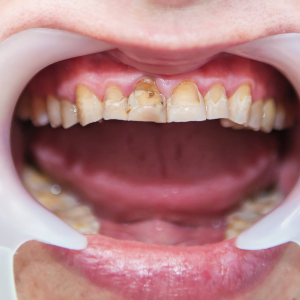
Poor oral hygiene results in deposition of plaques on teeth which when not properly flushed out further forms up tartar. This then acts as a harbor for the infective agents to thrive. Initially these infective agents can only cause mild complaints of gums, this when neglected results in further deterioration of the teeth and its related structures. Certain conditions predispose periodontitis, these includes poor oral hygiene, poor nutrition and old age. Certain medications, hormonal disturbances, use of intoxicating substances like tobacco and smoking also contribute to it.
Symptoms
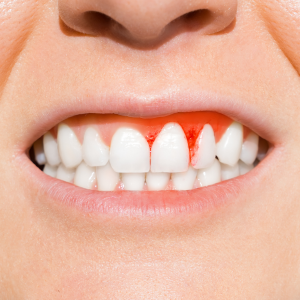
There are different types of periodontitis like Developmental or Acquired form, Periodontal Diseases associated with Endodontic Lesions, Abscesses of the Periodontium, and Periodontitis Associated with Systemic Diseases, Aggressive Periodontitis and chronic periodontitis. Depending upon the loss of fibers periodontitis is also classified as mild, moderate and severe. The patient complaints of pain in gums, there occurs difficulty while chewing food. The pain may radiate to the ear and head. Bleeding while brushing teeth can be seen. There is bluish red appearance of the gums. Affections of gums lead to loosening of teeth. Pus formation in gums occurs; Halitosis (bad breath) is complained by family and relatives. Studies have shown that the untreated of neglected Periodontitis can lead to complications like Coronary artery diseases, stroke and respiratory problems like asthma.
Investigations
Diagnosis can be made by the dentist on the basis of the symptoms narrated and on oral examinations carried out by the dentist. An X-ray of the teeth is diagnostic.
Treatment
Scaling and debridement is the first line of treatment which helps to remove the plaques. Antibiotics are started by the doctor. Root planning is done. In cases if the conservative treatment is not found to be effective then in such cases surgical treatment is undertaken. Guided tissue regeneration, bone grafting, soft tissue grafts or pocket reduction surgery can be adopted. A good oral care is the most important to be made. Brushing teeth twice a day, Flossing should be done at least once in a day. Frequent rinsing of the mouth can also be suggested. Adequate food and water intake, Regular dental checkups, cleaning the teeth from the dentist at least once in a 6 month needs to be done.