Causative & risk factors
A large number of factors and diseases can affect the peripheral nerves leading to neuropathy.
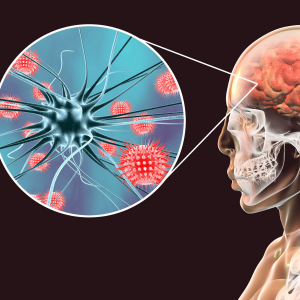
Diabetes is a leading cause. Autoimmune conditions such as Guillain-Barre syndrome, rheumatoid arthritis etc. also cause peripheral nerve damage. Chronic consumption of alcohol coupled with dietary deficiencies leads to peripheral neuropathy. Certain forms of medications and exposure to toxic substances (chemicals, heavy metals) are also known causes. Viral infections, amyloidosis, diseases of the liver, kidney, thyroid etc. can give rise to peripheral neuropathy. Nerve damage can occur as a result of any trauma or injury to the nerves. Tumors arising from the nerves themselves also give rise to peripheral neuropathy.
Approximately 30% patients with peripheral neuropathy have no identifiable cause.
Clinical presentation
Numbness and tingling of the affected area is the commonest symptom of peripheral neuropathy. Intense, sharp, lightening like nerve pain can be felt in the affected region. Weakness is the felt in the affected area, eventually leading to loss of function. For e.g. affection of the hand may lead to failure to grasp objects, affection of the feet may lead to dragging feet or in-coordination while walking.
Autonomic nerve affection can lead to digestive, bowel or bladder symptoms in addition to heal intolerance.
Investigations
Since peripheral neuropathy can be attributed to several causes, a detailed medical history of the patient is necessary. Further evaluation is done by a thorough physical and neurological examination.
Nerve conduction studies, nerve biopsy, electromyography and other forms of nerve function studies are carried out to aid the diagnosis. Blood glucose levels and the levels of vitamins in blood are tested if these causes are suspected. CT or MRI scans of the affected part may be suggested.
Treatment
Treatment is aimed at assessing and treating the cause of peripheral neuropathy and relieving the symptoms.
Pain relief can be achieved by regular painkillers or sometimes with opioids, anti-epileptic drugs, steroid or anti-depressants. Other non-oral options include the topical application of capcaisin and use of a lidocaine patch (a type of anaesthesia).
People with chronic pain may benefit from Transcutaneous electrical nerve stimulation, a therapy in which gentle electric currents are applied to the affected part.
The underlying causes of peripheral neuropathy must be treated appropriately.
Recent updates
A study has shown that very high doses of methylcobalamine, given intravenously are effective in patients with peripheral neuropathy occurring as a result of vitamin B12 deficiency.
The efficacy of magnetic foot soles is being studied in patients with diabetic neuropathy.