
Causes and risk factors
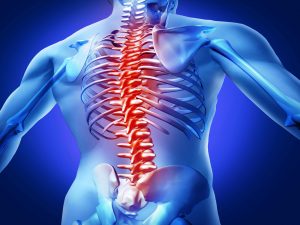
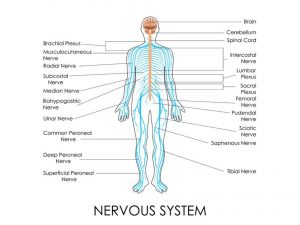
The main cause of piriformis syndrome is spasm of the piriformis muscle which compresses the sciatic nerve leading to pain. This condition is commonly seen in truck drivers, skiers, and even sports players. Certain conditions can trigger irritation of the muscle. Spinal stenosis is one of the reasons. Blunt trauma to the buttock can also induce this syndrome. Piriformis syndrome can be secondary to inflammation due to gluteal trauma or spasm. The sciatic nerve lies beneath the muscle or in some people it runs through the piriformis muscle. Anatomic variation of the sciatic nerve can also induce pain in piriformis.
Clinical presentation:
A person suffering from piriformis muscle presents with complaints of pain in the buttock region. Dull aching pain is present. The pain radiates to the thigh, lower leg, and to the lateral aspect of the foot. Walking and squatting aggravates the pain. The patient often experiences pain during bowel movement. An individual can face difficulty in sitting. Dyspareunia occurs. The pain may also radiate to the labia majora in women and to the scrotum in males. On examination, tenderness over the gluteal region is present.
Investigations:
Diagnosis is done on the basis of the symptoms narrated by the patient. Certain physical tests are carried out by the doctor which helps in confirming the condition. Other causes of pain in buttock are also ruled out. Investigations like x-rays, CT scan and MRI can be done. Neurography, which is a specialized form of MRI, is done for nerve study. EMG can be done to detect the neurological and muscular changes. Injecting an anesthetic injection helps in confirming the diagnosis of the piriformis syndrome.
Treatment:
Rest and restriction of activities which aggravate the pain is the first step to be adopted. Analgesic or nonsteroidal anti-inflammatory drugs are administered to relieve the pain. Nerve stimulation guided injections can also be given. Application of cold pack and electrical stimulation helps is relieving the tension of muscle. Physical therapy and stretching exercises are advised. Changes in lifestyle, especially in occupations which requires prolong sitting is a must. Standing and walking after every 20 minutes of sitting is advised. In severe cases, surgical repair is needed. The surgical procedure aims at relieving the tension or spasm of the muscle or sciatic neurolysis is done.
Other Modes of treatment:
Certain other modes of treatment can also be helpful in coping up with the symptoms. Taking into consideration the symptoms in a holistic way, homoeopathy can offer a good aid for the relief of the symptoms. The Ayurvedic system of medicine which uses herbs and synthetic derivates can also be beneficial in combating the complaints. Certain yoga exercises can also be helpful in strengthening the muscles.