Causative & risk factors
The major types of pneumonia are:
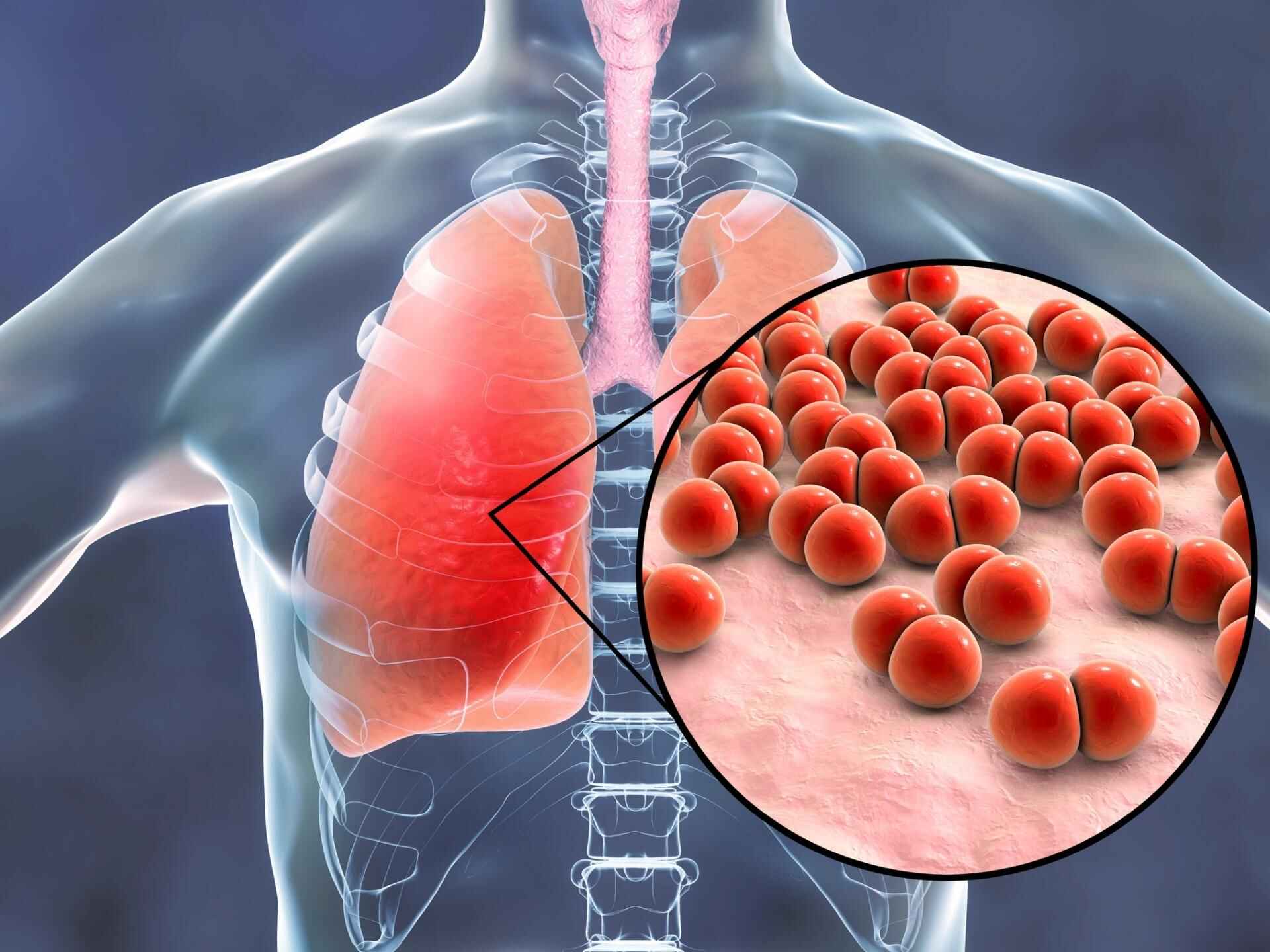
Bacterial pneumonia – Streptococcus pneumonia is the commonest bacterium that can cause pneumonia.
Viral pneumonia – Can be caused by the flu and other respiratory viruses. Usually affects the very young and the very old.
Mycoplasma pneumonia – These organisms are neither bacteria nor viruses. This type of pneumonia usually affects young adults.
Pneumonia in immune-compromised individuals – usually affects people with AIDS and other chronic illnesses like tuberculosis.
Community Acquired Pneumonia (CAP) – this spreads from person to person via droplet infection. CAP accounts for 5-12% of all lower respiratory tract infections in the UK.
Hospital Acquired Pneumonia – refers to onset of pneumonia after being hospitalized for another reason.
Aspiration Pneumonia – This occurs due to aspiration of liquids, vomit, food or chemicals. It is fairly common in infants due to aspiration of feeds.
Smoking is associated with a higher risk of developing pneumonia. Recurrent upper respiratory infections or underlying lung diseases raise your chances of developing pneumonia. Underlying diseases of other body systems such as stroke, heart failure or diabetes are also risk factors for caching pneumonia.
Clinical presentation
The patient typically presents with fever, chills, cough, wheezing and shortness of breath. The patient may also spit out blood in his sputum. Additionally headache, vomiting and loss of appetite may be present.
Severe or untreated pneumonia may give rise to complications like respiratory failure, lung abscess, ARDS (acute respiratory distress syndrome) or sepsis. The mortality rate in children is quite high.
Investigations
The symptoms narrated by the patients and a chest auscultation by the doctor can suggest a provisional diagnosis of pneumonia. Investigations can be carried out for confirmation.
A chest X-ray is performed to visualize the portion of lung affected. Blood tests and sputum examination are carried out to detect the causative organism. CT scan of the chest maybe suggested for visualizing the lung clearly.
Treatment
Pneumonia is treated with antibiotics. In severe cases, hospitalization may be necessary to provide breathing assistance.
Getting vaccinated against influenza and streptococcus pneumoniae helps to prevent the incidence of pneumonia. Pneumococcal vaccine is now widely available all over the world. This is especially advocated for young children and old people.
Maintaining good hygiene standards and getting prompt treatment for any respiratory disease will help to bring down the incidence and mortality of pneumonia.
Recent updates (with references)
The journal ‘Infection and Immunity’ has revealed that pre-existing or co-existing influenza infection enhances the ability of Streptococcus pneumoniae.
Other researchers have found that Streptococcus pneumonia actually causes physical damage to the heart.