Causative & risk factors
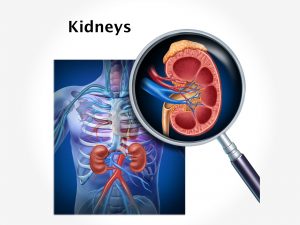
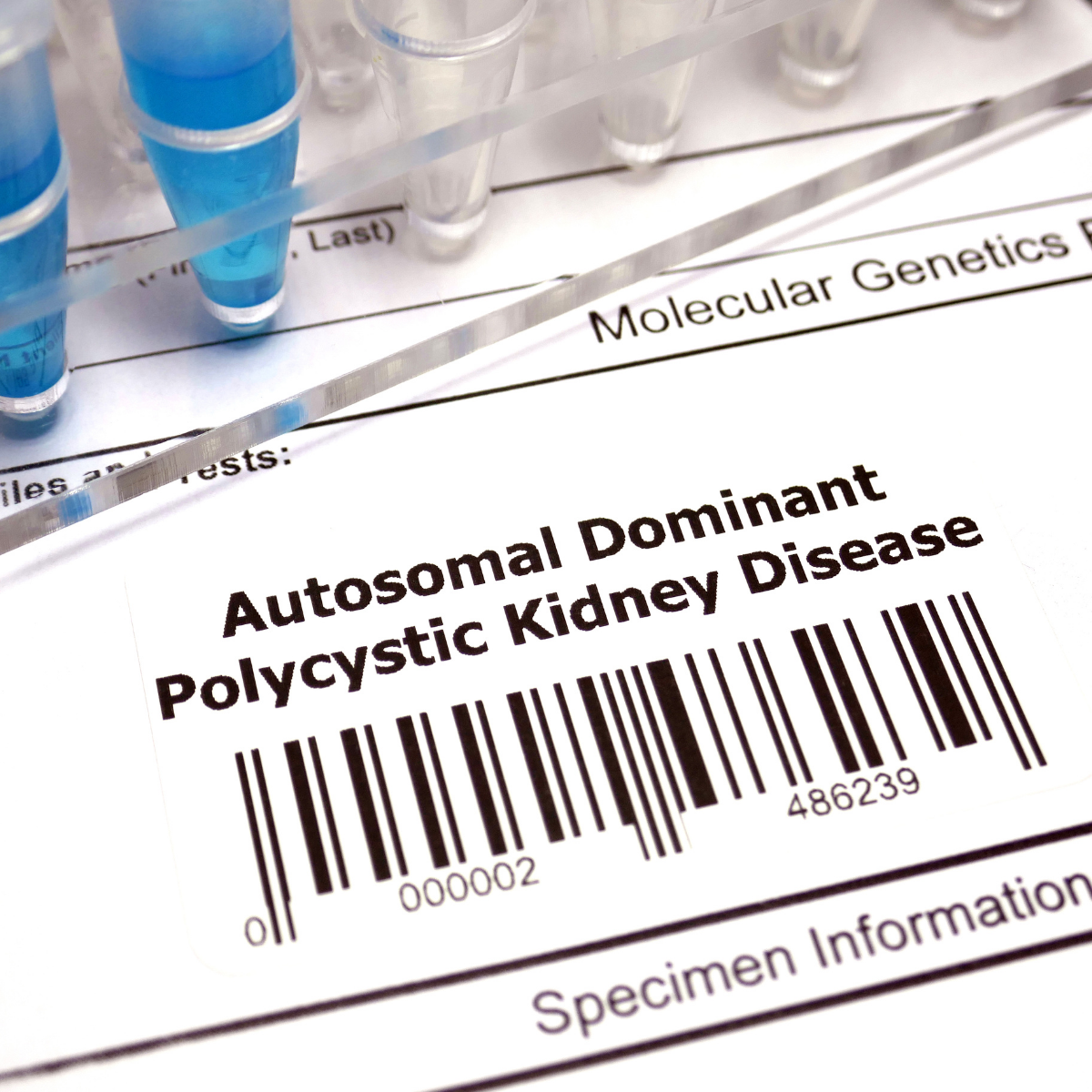
Polycystic kidney disease is a genetic disorder. Two forms of the disease exist – autosomal dominant or recessive.
Autosomal dominant – The defective gene must be transmitted from any one parent
Autosomal recessive – The defective gene must be transmitted from both parents
Most cases of PKD are autosomal dominant.
The recessive form of PKD becomes apparent in infancy itself whereas the dominant form of PKD becomes symptomatic in adulthood.
Clinical presentation
Polycystic kidney disease is asymptomatic in many cases. However it can produce pain in the kidney region which is felt at the lower sides of the back. The patient may experience frequent episodes of urinary tract infections. Other symptoms include blood in the urine (hematuria), kidney stones and headaches. PKD can lead to cyst formation in other organs such as the liver and pancreas.
The patients develop high blood pressure at an early age.
Long standing PKD leads to kidney failure or end stage kidney disease. Other complications like aneurysms, valvular disorders of the heart or diverticulosis.
Investigations
The medical history of the patient’s family is taken. Ultrasounds are carried out to locate cysts on the kidneys and other organs. CT or MRI scan of the kidney are done.
Treatment
PKD cannot be cured but can only be managed. Medications for PKD include the use of antibiotics and painkillers whenever necessary. Anti-hypertensive drugs are prescribed to treat high blood pressure. Aspiration of the cysts may provide temporary relief in pain. Frequent dialysis may be necessary once end stage kidney disease develops. Kidney transplantation may be required in cases with failure of the kidney.
Recent updates
Currently research is underway to gain a deeper understanding of PKD at the genetic level.