
Causes and risk factors
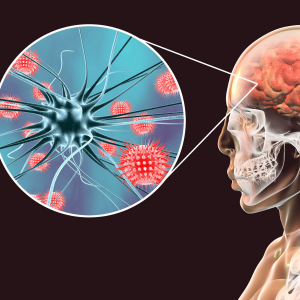
The exact cause of this disorder is unknown. It is caused by deterioration of cells in the areas of brain which control bodily movements and thinking. It is found in research that PSP is associated with presence of abnormal amounts of protein called ‘Tau’ in the brain cells. Clumps of this protein are characteristics of Alzheimer’s disease. The possible causes are genetic mutation, an unknown virus, exposure to certain chemicals and free radicals. The disease is seen at the age around 60.
Clinical presentation
Loss of balance with tendency to fall backwards, dizziness, awkward movements, inability to focus vision, blurred vision, double vision, poor eye contact are prominent symptoms of PSP. Other features include stiffness, difficulties in speech and swallowing. Forgetfulness, dementia, weak memory, disturbed sleep, loss of interest, laughing or crying for no reason, depression are some of the associated symptoms.
Investigation
Medical history by the patient and Clinical examination by the doctor helps in diagnosis. it is essential to differentiate the disease from Parkinson’s disease, as both have similar features. Differentiating factors leading to diagnosis of PSP include absence of tremors, poor or no response to Parkinson’s disease medicines, difficulty moving the eyes downwards. Imaging studies such MRI scan, PET scan as may be useful for further evaluation. Examination CSF reveals presence of protein ‘TAU’ confirms the diagnosis.
Treatment
Even though this condition cannot be cured, treatment is aimed at symptomatic relief. Medications like anti Parkinson’s medicines, anti-depressant drugs are prescribed. Injection of botulinum toxin in the tissues around the eyes to improve tone of facial muscles. Eyeglasses with bifocal or prism lenses to correct vision. Electroconvulsive therapy [ECT] contributes further to the treatment. Supportive care with help of physiotherapy, speech therapy occupational therapy will also help in managing PSP.
Other Modes of treatment
The other modes of treatment can also be effective in treating PSP. Homoeopathy is a science which deals with individualization considers a person in a holistic way. This science can be helpful in combating the symptoms. Similarly the ayurvedic system of medicine which uses herbal medicines and synthetic derivates are also found to be effective in treating PSP.