Causes and risk factors
Gingival infection particularly caused by bacteria is one of the most common causes of recession of gums. Brushing with a hard bristle brush, smoking, and chewing tobacco are some of the common contributing factors. Poor dental hygiene is one of the major causes for most of the oral affection, including the recession of gums. Dental caries, accumulation of plaques, inadequate brushing and flossing, all add up to the same. Although the exact modus operandi is not known, hormonal imbalance also can lead to this condition. Hence the incidence is commonly seen during puberty, pregnancy, and at menopausal age. Misaligned tooth makes the gums more susceptible for recession. Among today’s ultramodern generation, piercing the lips and tongue is a common style seen; however, it increases the chances of infection too.
Clinical features:
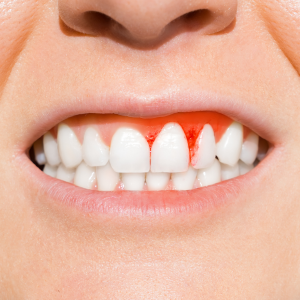
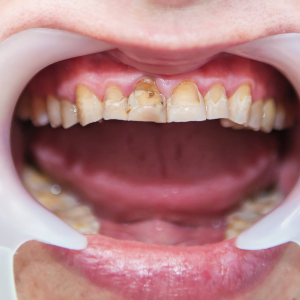
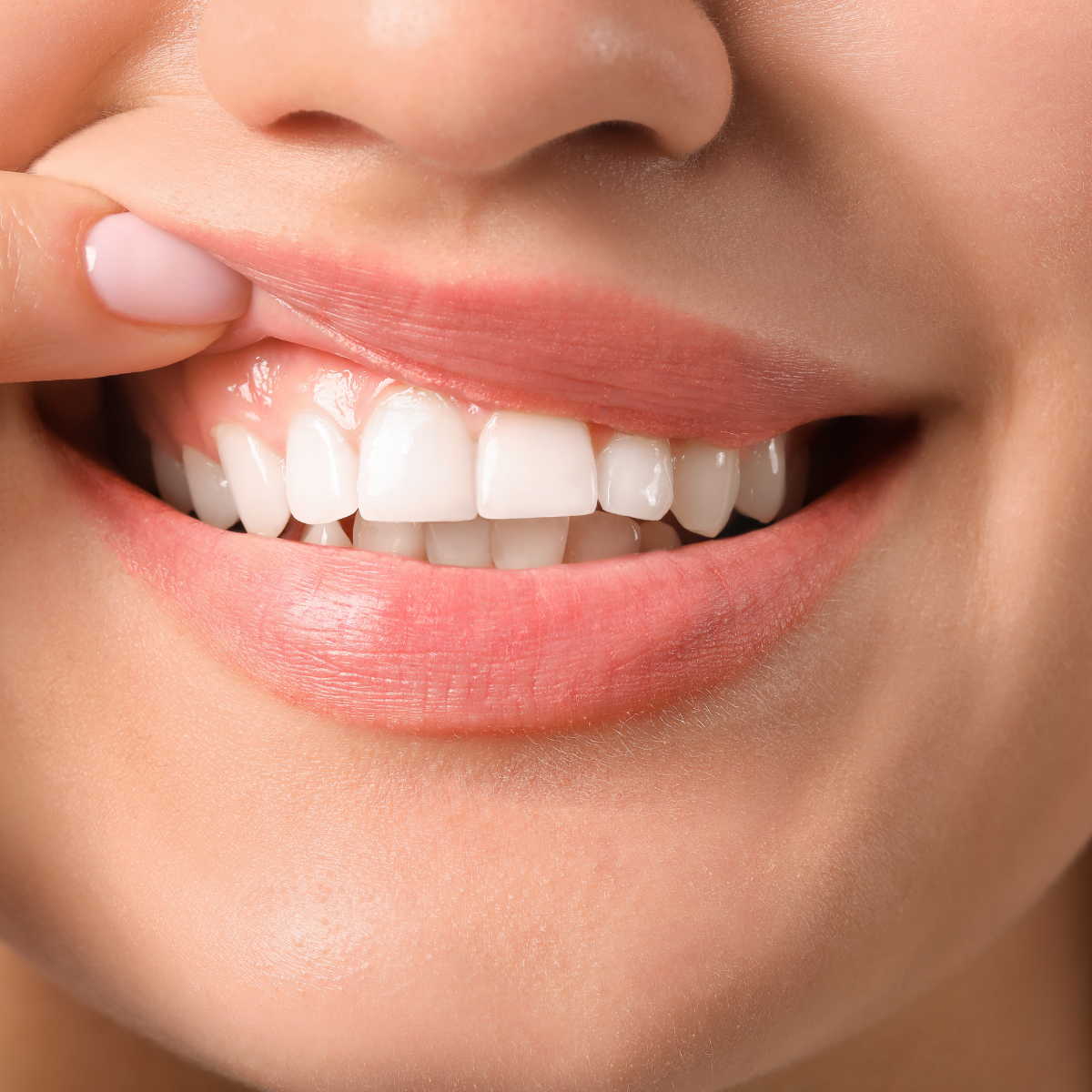
Recession of gums can lead to development of patches or pockets between the teeth and gum lines. These gaps thus become a potent place for the infection to thrive. Bacterial infection is more commonly seen. Dental caries can occur. The teeth become stained and are yellow in color. As the gum line recedes, the teeth are exposed; this gives the teeth a tall and long appearance. The teeth become sensitive. Pain is aggravated by contact with extreme temperatures of food. Infection build-up can over some time spread to bones and can lead to loss of teeth.
Diagnosis:
Diagnosis is done on the basis of symptoms narrated by the patient and the clinical examination carried out by the dentist. The personal and medical history is taken into consideration to find out the underlying cause. Histological examination of the gum tissues can be done to rule out infective causes. Routine blood tests can also be advised.
Treatment
Treating the underlying cause is the main line of treatment. Maintenance of good oral hygiene is the foremost step which must be practiced. Mild cases can be dealt by simple tooth scaling, and root planing is done. Medications are also simultaneously administered. Antibiotics are prescribed to tackle the infection. In severe cases where gums or bones are damaged to a great extent, this can be corrected by surgery. Gum tissue grafting can be done. Maintenance of good oral hygiene is the foremost step which needs to be implemented. Use of a soft bristle brush is advised.