Causes and risk factors
Rhinosporodiosis is caused due to the fungus Rhinosporidium seeberi. The infection mostly spread through water. It is commonly seen in people who tend have bath in common ponds or bath in ponds where animal also bath. The infection affecting the distant places is thought to occur through hematogenous spread. Traumatic inoculation takes place from one site to another. Once the organism enters the body of the host it causes hyperplasia of the mucus membrane at the affected site and causes local immune response.
Clinical presentation:
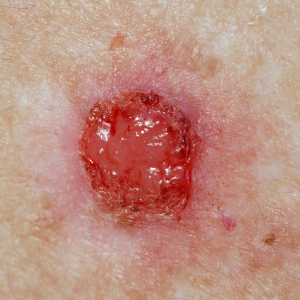
The common site of affection is mucus membrane of the nose, eyes, mouth, skin, external genital and rectum. Infection of the nose causes coryza, itching, bleeding from nose and post nasal discharges. The patient complaints of sensation of a foreign body in nose. On examination polyps can be seen. The polyps are typically red like strawberry. It bleeds easily on examination. Headache and skin lesions are the other complaints seen.
Investigations:
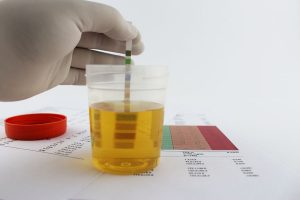
Diagnosis is done of the basis of the symptoms narrated by the patient and the physical examination carried out by the doctor. Cultures of the nasal discharges and biopsy is diagnostic. Routine blood test and urines test can also be advised. Along with this testing of blood and urine for antigen can help is coming at accurate diagnosis. In severe cases certain other investigations can also be recommended.
Treatment:
The conservative line of treatment is not so effective. Surgical excision of the polyps is the main line of treatment. Wide excision with electrocoagulation has found to be effective in preventing the recurrence. High rate of recurrence is seen even after surgery.
Other Modes of treatment:
Certain other modes of treatment can also be helpful in coping up the disease. Taking into consideration the symptoms in holistic way, homoeopathy can offer a good aid for the relief of the symptoms. The Ayurvedic system of medicine which uses herbs and synthetic derivates can also be beneficial in combating the complaints.