Causes and risk factors
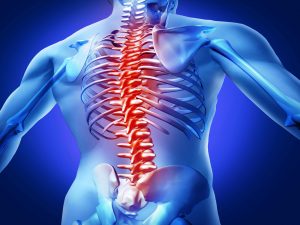
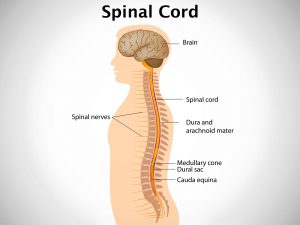
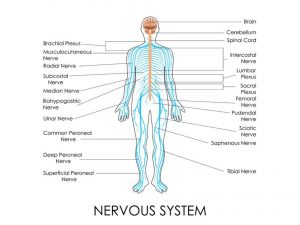
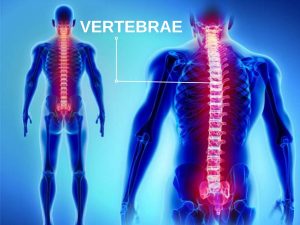
Injury to any part of the spinal cord caused by trauma is known as spinal cord injury resulting into motor or sensory loss of function. The injury may involve upper motor neuron [it involves message signal pathway between spinal cord and brain] and lower motor neuron [it involves message signal pathway between periphery to spinal cord]. Causes of spinal cord injury include road traffic accidents, falls, diving into shallow water, games such as football or gymnastics, physical violence. A sudden traumatic blow to the spine, fractures the vertebral column and damages the spinal cord. Non traumatic causes include medical conditions like cancer, osteoporosis, multiple sclerosis, arthritis, inflammation of spinal cord. It involves complications of surgical procedures like wrong lumbar puncture; wrong spinal anaesthesia etc. damage to the nerves, compression of nerves, alcohol abuse, infections can lead to the injury.
Clinical presentation
Clinical presentation depends upon the level of injury. It can be at cervical, thoracic, lumbar or sacral. Cervical injuries cause paralysis of both arms and legs [quadriplegia]. It is accompanied with weakness, numbness, tingling or loss of sensation, loss of movement, fatigue. There can be difficulty in breathing; coughing etc. there is difficulty in balance and walking. Patient with thoracic level injury present with paralysis of legs [paraplegia] . There can also be loss of bowel and bladder control. Problems in sexual function, infertility can arise. Lumbar level injury also causes paralysis of legs [paraplegia], loss of bowel and bladder control, problems in sexual function. The spinal cord controls signals in abdomen, back, buttocks, external genitals which are affected. Injury at sacral level cause loss of bowel and bladder control, problems in sexual function. They can cause paralysis of hips and legs. The spinal injury is also classified as complete or incomplete. Complete injury is complete loss of motor and sensory signals below the level of injury. Incomplete injury spares some parts i.e. some parts of body below the level injury have sensation or can be moved. Patient presents with pressure or pain along the spine, the pain is stinging type of pain. There are exaggerated spinal reflexes. Spasms, soreness in the back is experienced due to spinal cord injury.
Investigation
Medical history by the patient and Clinical examination by the doctor helps in diagnosis. X ray spine is recommended. Imaging studies such as CT scan, MRI is useful for further evaluation.
Treatment
Spinal cord injury is a medical emergency. Patient should be given immediate medical aid by hospitalisation. Treatment involves administration of corticosteroids, analgesics, NSAIDs to reduce pain and inflammation. Maintaining head high position to allow breathing. Immobilization of neck and back is recommended to avoid complications. Surgical correction may be required in some cases. Deep brain stimulation [DBS] is useful where electrodes are placed in the brain to send signals or for stimulation and muscle coordination. Physiotherapy and occupational therapy contribute further to the treatment. Supportive care is necessary to deal with bowel and bladder control problems such as urinary catheter, use of diapers etc.
Other Modes of treatment
The other modes of treatment can also be effective in treating spinal cord injury. Homoeopathy is a science which deals with individualization considers a person in a holistic way. This science can be helpful in combating the symptoms. Similarly the ayurvedic system of medicine which uses herbal medicines and synthetic derivates are also found to be effective in treating spinal cord injury.