
Causes and risk factors:
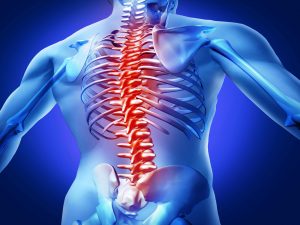
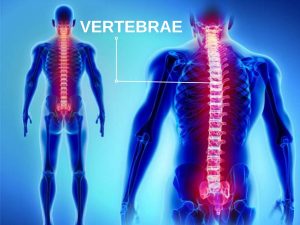
Various degenerative changes that take place due to advancement in the age leads to spinal stenosis. Osteoporosis and arthritis are the common bone degenerative changes which precipitate the spinal; stenosis Aging also results into degeneration and sinking of the intervertebral disc which again leads to compression of the spinal coloumn.Trauma like fall or road accidents which causes injury to the spinal cord can lead to stenosis. Certain diseases like tumor in the spine, arthritis and herniation of the disc are other predisposing factors. Congenital malformation of the spine is also one of the causes for narrow spinal stenosis at young age. Usually spinal canal stenosis is common above the age of 50-60 years. Obese people are more predisposed to stenosis.
Clinical presentations:
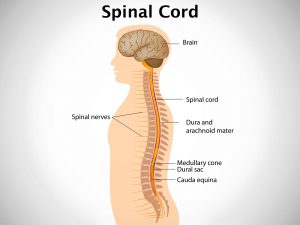
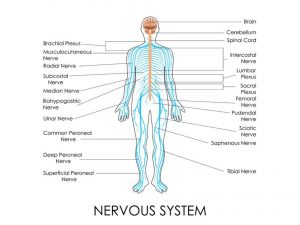
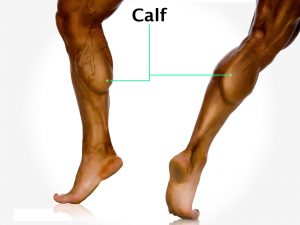
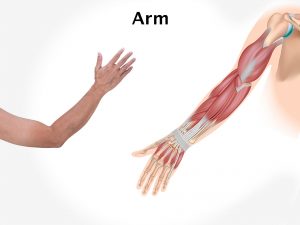
The cervical and lumbar regions are most commonly affeceted.Certain patients of spinal stenosis are asymptomatic, while some patients complain of pain in neck and back region. Backache is the commonest symptom. The pain may radiate to arms and hands (Cervical stenosis) and lower limbs(Lumbar stenosis) Numbness and tingling can be associated to it due to compression of the nerve roots at its origin (Neuropathy) .Certain movements like turning the neck sideways or sitting standing of lifting some heavy object can aggravate pain. The patient can also complain of cramps in calf. Feeling of weakness, constant dull, discomfort in neck and back region is common.
Diagnosis and investigations:
Certain sets of investigations and the symptoms narrated by the patient help in confirming the diagnosis. Certain physical tests care carried out by the orthopedic for assessing the reflexes and the muscular strength-ray, CT scan and MRI of the spine helps in diagnosis.
Treatment:
Change in lifestyles is necessary to correct the pain. Weight reduction in obese, adequate rest, correction of wrong postures and regular exercises needs to be adopted. Wearing of braces for support during movement, cold and hot compressions along with medications can be advised. Non steroidal anti inflammatory drugs (NSAID) and pain relieving drugs are prescribed. In severe cases corticosteroid injections and topical pain relieving gels and lubricants are advised. Patients who are not responding to medications are treated with surgical intervention like laminectomy.
Other modes of treatment:
The other modes of treatment can also be effective in treating the pain Homoeopathy is a science which deals with individualization and considers a person in a holistic way. This science can be helpful in combating the symptoms. The Ayurvedic system of medicine which uses herbs and synthetic derivates can also be beneficial in combating the complaints. Cheropathy and acupuncture have shown promising results in managing the pain. Various asanas of Yoga are advised by the orthopedic surgeons to combat the pain and to strengthen the muscles.
Recent Update:
An article is published by the University of Washington states that epidural injections with a glucocorticoid in combination with the local anesthetic lidocaine appear to be no better in reducing pain and physical limitations in patients with spinal stenosis.