
Causes and risk factors
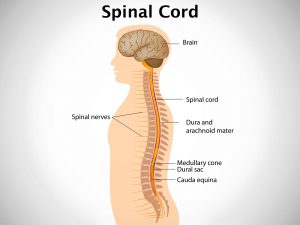
Normally the cerebrospinal fluid is surrounds the brain and spinal cord. It acts as a cushion protecting it and serves as a medium for transportation of nutrients and waste products. Obstruction of the flow of CSF is the main cause for syringomyelia. Chiari is the most common causative factor causing obstruction in the flow of CSF. Chiari malformation is a congenital abnormality seen in fetus and characterized by protrusion of the cerebellum from its normal position into the cervical region of the spinal cord. Certain other causes can also lead to obstruction of the cerebrospinal fluid. These are trauma, spinal cord tumors, Arachnoiditis etc. Chiari malformation can also be associated with spina bifida. Syringomyelia can also be caused due to some unknown causes.
Clinical presentation
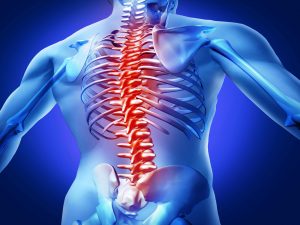
The symptoms develop gradually; some patients remain asymptomatic while some come up with complaints. Generally the symptoms develop 25-30 years of age. The patient can come up with complaints of pain in head, shoulder neck and extremities. Weakness is the prominent symptom. Numbness and tingling occurs. The sensation of heat and cold is lost. Muscle weakness, muscle contractions, loss of functions of muscle and trembling and twitching of extremities are complained by the patient. Abnormal sensations in extremities, lack of sensation along with urinary and fecal incontinence are the other symptoms complained by the patient. Spasticity and paralysis of muscles is also seen Along with these complaints the patient can develop certain neuropathic pain syndrome, the child can develop scoliosis.
Investigations
Diagnosis is done on the basis of symptoms narrated by the patient and the examination carried out by the doctor. Certain investigations are advised- ray of the spine, MRI and CT scan of the spine are diagnostic. Myelogram is also recommended. Other sets of investigations can also be advised.
Treatment
Careful monitoring is required in cases where the cyst does not cause any signs and symptoms. The doctor may advice to conduct timely scans. Medications have no role in curing the syrinx; they can just be administered to allay the pain. Surgery for excision of cyst is the main line of treatment. In some individuals draining the syrinx can also be needed.
Other modes of treatment:
Certain other modes of treatment can also be helpful in coping up the symptom. Taking into consideration the symptoms in holistic way, homoeopathy can offer a good aid for the relief of the symptoms. The Ayurvedic system of medicine which uses herbs and synthetic derivates can also be beneficial in combating the complaints.
Recent update:
The exact cause of development of syrinx is still not known. Scientists at the National Institute of Neurological Disorders and Stroke (NINDS) in Bethesda, Maryland, and at grantee institutions across the country continue to explore the mechanisms that lead to the formation of syrinxes in the spinal cord.