Causes and risk factors
The exact cause of TMJ disorder is not however it has been put forth that TMJ disorder is cause due to variety of causes in combination. Injury due to trauma is one of the contributing factors which can cause pain in the TM joint. Over activity of the muscles long with wear and tear inside the joint also contribute to the causation. Arthritis can also cause TMJ disorder.
Clinical presentation:
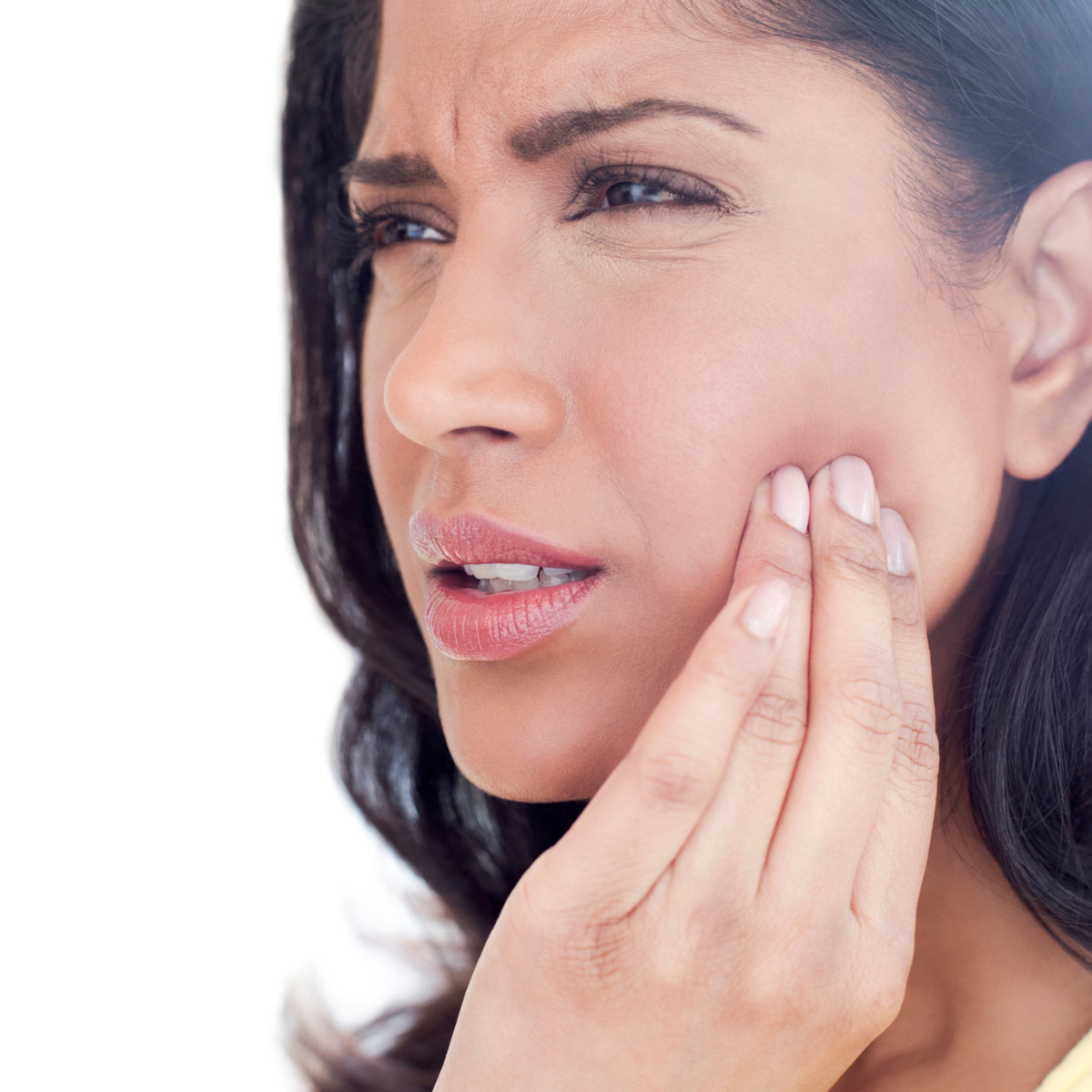
Pain around the TM joint is the characteristic feature. The pain also radiate to the ear and head. Difficulty in movement of the jaw is seen. The person faces difficulty in opening or closing the jaw, chewing becomes difficult. Lock jaw can occur. i.e.: after opening the mouth wide it is difficult to close it. On initiation of movement a click or noises can be heard.
Investigations:
Diagnosis is done on the basis of symptoms narrated by the patient and the examination carried out by the doctor. Generally no test is needed in cases where the symptoms are related to the joint itself. An X-ray of the joint and MRI can be advised. If these tests fail to give some conclusion then arthroscopy can be advised.
Treatment:
Administration of medication is the main line of treatment. Pain relieving medications and muscle relaxants are prescribed. Steroid injections can also be advised. In very few cases surgical repair may be suggested. Gentle exercises of the jaw are also found to be effective. Rest, application of ice packs and stabilization splint or bite guard are recommended.
Other modes of symptoms:
The other modes of treatment can also be effective in treating TMJ disorder. Homoeopathy is a science which deals with individualization and considers a person in a holistic way. This science can be helpful in combating the symptoms. The Ayurvedic system of medicine which uses herbs and synthetic derivates can also be beneficial in combating the complaints.
Recent update:
The National Institute of Dental and Craniofacial Research (NIDCR), one of the National Institutes of Health (NIH) is tracking healthy people over time to identify risk factors that contribute to the development of these conditions. An initial study has found out that series of clinical, psychological, sensory, genetic and nervous system factors increase the risk of TMJ disorder.