Causes and risk factors
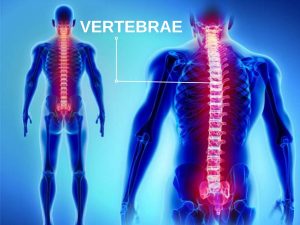
The exact cause of spinal tumor is unknown however it has been seen that certain genetic factors predispose spinal tumor. Neurofibromatosis 2 and Von Hippel-Lindau disease are the genetic diseases which contribute to the causation.Immuno compromised people are more prone for developing spinal tumors. Exposure to cancer causing is one of the pre disposing factor.In most of the cases it has been noted that the spinal tumors are secondary to the cancerous growth somewhere else in the body.Metastasis in spinal region is seen in breasts, lung and prostate cancer.
Clinical presentation
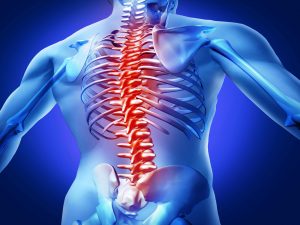
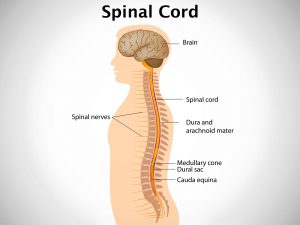
The tumors can be of two types Extradural and Intradural. Tumors outside the dura matter are called as extradural tumors and those inside the dura matter are called as intradural tumors. Initially as the size of the tumor is small the patient can be a symptomatic, as the size of the tumor increases various symptoms are seen. Pain in back is the most common complaint with which the patients usually comes up with. The pain is mostly restricted to lower or middle back region. It can radiate to the lower extremities also. Muscle weakness, muscle contractions, loss of functions of muscle and trembling and twitching of extremities are complained by the patient. Abnormal sensations in extremities, lack of sensation along with urinary and fecal incontinence are the other symptoms complained by the patient. In cases where the spinal neoplasm is due to metastasis the patient may experience other symptoms also.
Investigations
Diagnosis is done on the basis of symptoms narrated by the patient and the examination carried out by the doctor. Certain investigations are advised- ray of the spine, MRI and CT scan of the spine are diagnostic. Biopsy is recommended to find out the type of tumor. Other routine investigations can also be advised.
Treatment
Careful monitoring is required in cases where the tumor is non cancerous and is not causing compression on the surrounding areas. The doctor may advice to conduct timely scans. Spinal area is a sensitive area conducting nerves. Surgery for excision of tumor is considered if it does not pose any risk to life. In cases where surgery cannot be conducted chemotherapy or radiation therapy is started. Stereotactic radio surgery can be done.
Other modes of treatment:
Certain other modes of treatment can also be helpful in coping up the symptom. Taking into consideration the symptoms in holistic way, homoeopathy can offer a good aid for the relief of the symptoms. The Ayurvedic system of medicine which uses herbs and synthetic derivates can also be beneficial in combating the complaints.