
Causes and risk factors
Turner’s tooth is caused due to hypoplasia of the enamel. This can either be caused due to genetic causes or environmental causes. In environmental hypoplasia, the ameloblast cells which make the enamel of the tooth are affected. Certain other causes like infection, trauma, or deficiency in nutrition can lead to affection of the enamel. Irregular metabolism of vitamin D and chronic kidney disease also affect the development of the tooth. High levels of fluoride also contribute to enamel hypoplasia. Certain other conditions which induce fever can also affect the appearance of the tooth.
Clinical presentation:
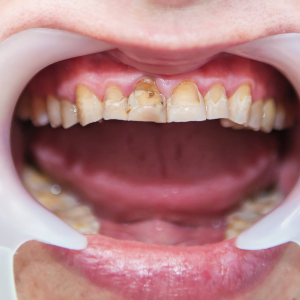
Turner’s tooth is characterized by affection of single tooth. Mostly the permanent tooth is affected. The maxillary incisors and maxillary and mandibular premolars are affected. The complaint can range from mild to severe ones. It can either cause mild opacity or pitting. This condition does not cause any complaint to the patient; however, it hampers the appearance of the tooth. The abnormal appearance of the tooth often becomes a matter of worry from a cosmetic point of view. The affected tooth shows a chalky or brownish discoloration. In some cases, pitting and rough appearance of the surface occurs.
Investigations:
The symptom narrated by the patient along with clinical examination carried out by the dentist is usually sufficient to confirm the diagnosis.
Treatment:
As this condition does not pose any complaint to the patient, in most of the cases no medical intervention is needed. The patient is just observed on the basis of regular follow-ups. However, if it poses a matter of worry from a cosmetic point of view, filling can be done. Microabrasion technique followed by bleaching can also be done. In severe cases, porcelain veneers are fitted.