
Causative and risk factors
The exact cause leading to non-descent of 1 or both testicles is not yet known. Low levels of testosterone can be a contributory factor. Muscular hypotonia, gubernaculum dysfunction, deficiency of maternal human chorionic gonadotrophin (HCG) and retroperitoneal adhesions are other contributory causes.
The risk factors of undescended testicles in a newborn are premature birth or low birth weight. Babies also have a risk of non-descent of testicles if the mother suffers from diabetes, is obese, consumes too much alcohol, has history of pre-eclampsia or has undergone In-vitro fertilization.
Clinical presentation
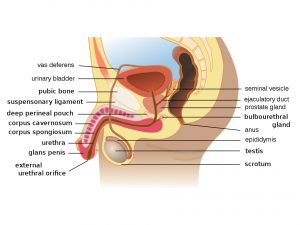
One or both the testicles may fail to descend. Thus the scrotal sac may remain empty on either or both sides. Other symptoms may be present depending upon the underlying cause.
Investigations
An undescended testicle is apparent to the physician on physical examination of the baby. Imaging tests such as an ultrasound may be advised. The hormone levels in the blood may be measured.
Treatment
Undescended testes generally descend spontaneously within 3 months of age. However sometimes natural descent may not occur and treatment is necessary. Whenever an underlying hormonal problem is suspected, hormonal therapy may be used. Surgery is recommended after 6 months of age. Surgery entails moving down the testis into the scrotum and fixing them. The testis may be needed to be removed during adolescence to prevent malignancy.