
Causes and risk factors
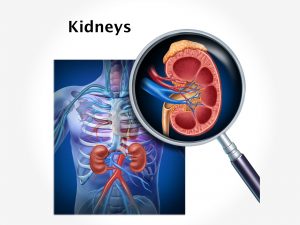
As the name suggests, this condition is caused due to high levels of urea in blood. Chronic diseases of the kidney are the main underlying factors causing increased level of urea in blood. This occurs in end-stage renal disease or in chronic diseases. Uremic pruritus, however, is not seen in acute disease. This condition is commonly seen in people undergoing dialysis. However, apart from high levels of urea in blood, certain other underlying conditions can also trigger itching. Decreased sweating and dry skin due to poor hydration makes the skin more prone to pruritus. Certain other associated conditions like diabetes mellitus, liver diseases, diseases causing systemic inflammation, and low levels of calcium, phosphate, or parathyroid hormone can also contribute towards the same.
Clinical presentation:
As the name suggests, itch is the complaint with which the patient presents. The patient has a great desire to scratch. Scratching can lead to redness and soreness of the skin of the affected part. Severe scratching can lead to bleeding also. The skin may become dry. Eruptions or blisters may be seen. Prolonged itching and scratching can lead to secondary infection. Impetigo, dermatitis, and eczema are the common complications seen. Itching and scratching evokes agitation and depression.
Investigations:
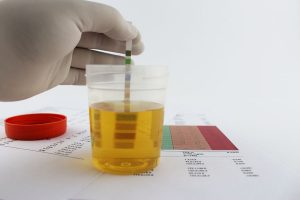
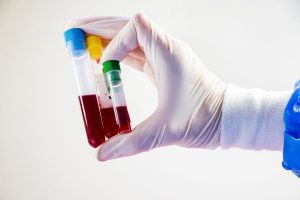
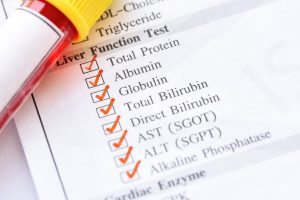
The symptoms narrated by the patient are taken into consideration. Along with this, a local examination of the affected area is carried out by the dermatologist. The history of the patient is noted down. If there is associated kidney affection, investigation to find out the underlying cause is carried out. It comprises of routine and specialized blood test, renal function test, ultrasonography of the abdomen and pelvis. In severe cases, CT scan or MRI is also done.
Treatment:
Treating the underlying cause is of foremost importance. Management of renal conditions can either be done by conservative methods or by advanced techniques, e.g., dialysis, antipruritic medications, systemic steroids, or oral antihistamines are advised. Novel neurotropic drugs and use of ultraviolet therapy is also found to be effective.
Topical soothing applications or non-soap cleanser is also prescribed. Use of appropriate skin moisturizer is suggested, especially for dry skin. Adequate hydration and balanced nutritional intake is necessary.
Other modes of treatment:
Certain other modes of treatment can also be helpful in coping up with the symptoms. Taking into consideration the symptoms in a holistic way, homoeopathy can offer a good aid for the relief of the symptoms. The Ayurvedic system of medicine which uses herbs and synthetic derivatives can also be beneficial in combating the complaints. Certain yoga exercises can also be helpful in strengthening the muscles.