Causes and risk factors
The exact cause of vasomotor rhinitis is not known. Imbalance of autonomic nervous system causes the disease. Vasomotor rhinitis is caused by irritation and inflammation of mucous membranes. There is swelling inside nose and congestion. When no allergen is found as the cause of rhinitis, it is labeled as vasomotor or non-allergic rhinitis. However, triggering factors have been identified like weather changes; especially dry weather conditions, environmental irritants such as perfumes, odors, secondhand smoke, etc. Viral infections, certain medications, hot or spicy foods or drinks also can cause rhinitis. Hormonal changes like premenstrual syndrome, pregnancy, and stress also cause vasomotor rhinitis. It may be associated with disease conditions like sinusitis, asthma, otitis media, anosmia, obstructive sleep apnea, etc.
Clinical presentation
The symptoms may remain constant throughout the year or come and go frequently. They include runny nose, sensation of stuffiness in the nose, presence of postnasal drip, sneezing, mouth breathing due to nasal congestion, etc. Headache, cough, fever, malaise may be accompanied symptoms. Decreased production at work, inclination to lie down, and drowsiness may also be seen in some patients.
Investigation
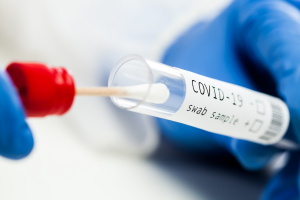
Medical history by the patient and clinical examination by the doctor helps in diagnosis. CBC, blood test for IgE antibody is recommended. Imaging studies such as nasal endoscopy and CT scan is advised to rule out sinus involvement. Skin test to confirm the diagnosis may be done.
Treatment
Preventive treatment consists of avoidance of environmental triggers. Treatment involves decongestant nasal drops or sprays, saline nasal drops, and corticosteroid nasal sprays. Medications like antihistamines, oral decongestants, analgesics, and NSAIDs are advised. Nasal irrigation, steam inhalation will contribute further to the treatment. Surgery may sometimes be essential if underlying conditions such as nasal polyps or deviated nasal septum are present.
Other Modes of treatment
The other modes of treatment can also be effective in treating vasomotor rhinitis. Homoeopathy is a science which deals with individualization and considers a person in a holistic way. This science can be helpful in combating the symptoms. Similarly, the Ayurvedic system of medicine which uses herbal medicines and synthetic derivates is also found to be effective in treating vasomotor rhinitis.