
Causes and risk factors
Xanthinuria is said to be an inherited disease. It is caused due to mutation in genes which causes dysfunction of the xanthine dehydrogenase and molybdenum cofactor sulfurase genes. Xanthine is an enzyme found in foods like coffee. Xanthine dehydrogenase is an enzyme which is necessary for conversion of xanthine to uric acid. This is then excreted from the body through urine. Lack of the enzyme causes excessive accumulation of xanthine in blood along with excessive secretion of high insoluble xanthine leading to a variety of symptoms. Certain iatrogenic causes are also responsible for this condition. Allopurinol therapy and aggressive chemotherapy used for treating cancers also can result in xanthinuria.
Clinical presentation:
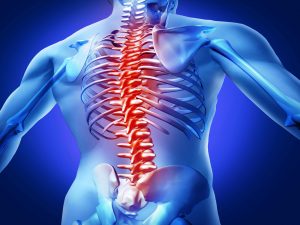
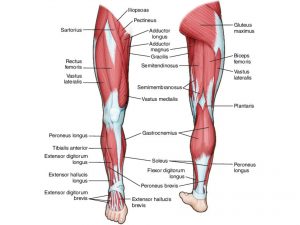
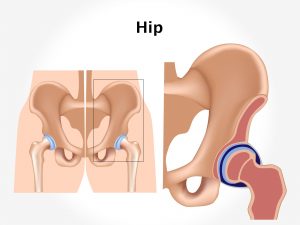
About two-third of the patients remain asymptomatic. Kidney, skeletal muscles, and joints are the most common systems to be affected in xanthinuria. High levels of xanthine on plasma can cause arthropathy, myopathy, and nephropathy. Affection of the kidney leads to urinary complaints. The frequency of urine increases. Patient passes blood in urine. There is difficulty while passing urine and urinary incontinence can occur. Accumulation of the crystals in the urine leads to formation of stones. Overtime it can lead to acute and chronic renal failure. Deposition of crystals in the joints and muscles may lead to muscle cramps, muscle pain, and stiffness. Arthritis and arthralgia occurs due to long-term deposition. Pain in abdomen, nausea, vomiting are the other symptoms seen. Arthropathy and myopathy are, however, rarely seen. Urolithiasis is another common condition that can result due to excess of xanthine.
Investigations:
The symptoms narrated by the patient are taken into consideration. There are no specific physical findings seen in xanthinuria, hence diagnosis on the basis of subjective and objective symptoms is often difficult. Investigations like urine analysis, urine cultures, and kidney function tests are done. Serum uric acid levels are often helpful in confirming the diagnosis of xanthinuria. Low or non-traceable levels of uric acid suggests xanthinuria. Muscle and bone biopsies along with tissue biopsies are also done. Certain other investigations can also be done if required.
Treatment:
There is no specific treatment for xanthinuria. Symptomatic relief is done. Medications are advised as per the symptoms. The patient is hospitalized and appropriate medical treatment is done. High fluid intake and low purine diet are advised. Foods containing high amounts of purine like beer, nonvegetarian foods, seafood, spinach, peas, and beans should be avoided. Surgical intervention is done wherever necessary.
Other Modes of treatment:
Certain other modes of treatment can also be helpful in coping up with the symptoms. Taking into consideration the symptoms in a holistic way, homoeopathy can offer a good aid for the relief of the symptoms. The Ayurvedic system of medicine which uses herbs and synthetic derivates can also be beneficial in combating the complaints.